The Delhi Film Academy offers a future-focused 6-month Advanced Diploma in AI Filmmaking, designed for filmmakers, creators, and media professionals who want to master artificial intelligence–driven workflows in modern film production.
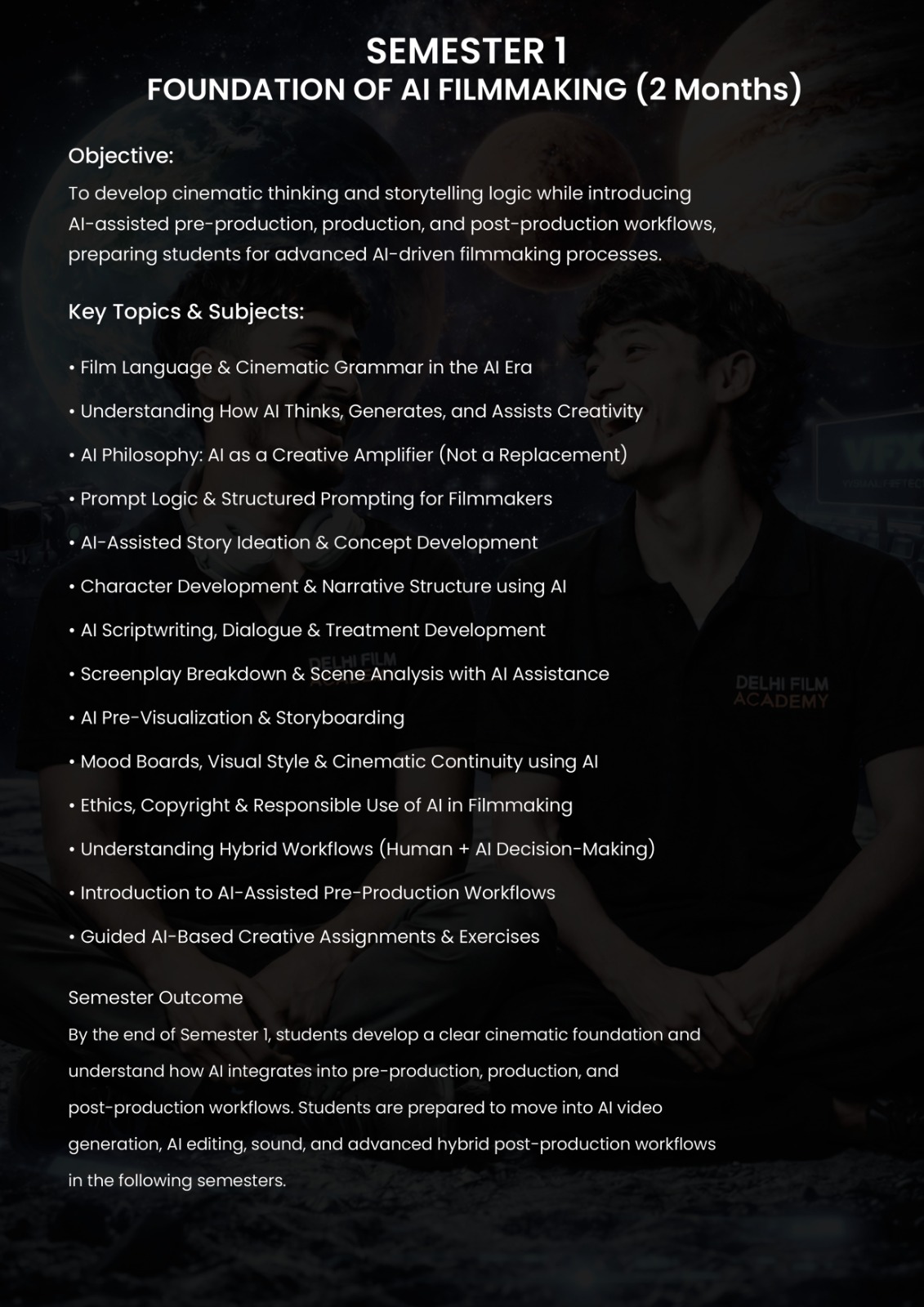
This program goes beyond basic AI tools and focuses on professional, industry-level integration of AI across the complete filmmaking pipeline — from concept development to final delivery.
Throughout the course, students learn AI-assisted pre-production, production, and post-production workflows, including script development, visual planning, virtual production support, AI-enhanced cinematography processes, editing acceleration, sound design, music generation, VFX assistance, and intelligent post-production pipelines.
The program is hands-on and project-driven, with students working on real filmmaking exercises using AI as a creative and technical collaborator. Under the guidance of experienced industry professionals, students learn how AI is practically used in contemporary cinema, OTT content, advertising, and digital media production.
This diploma is ideal for filmmakers, editors, cinematographers, content creators, and media professionals who want to stay relevant in an evolving industry. By the end of the course, students develop the confidence and skillset to design, execute, and manage AI-powered filmmaking projects at a professional level.
6 Month
New Delhi - Mehrauli
None
Full Time (5 days a week)
10th grade
None
Abdur
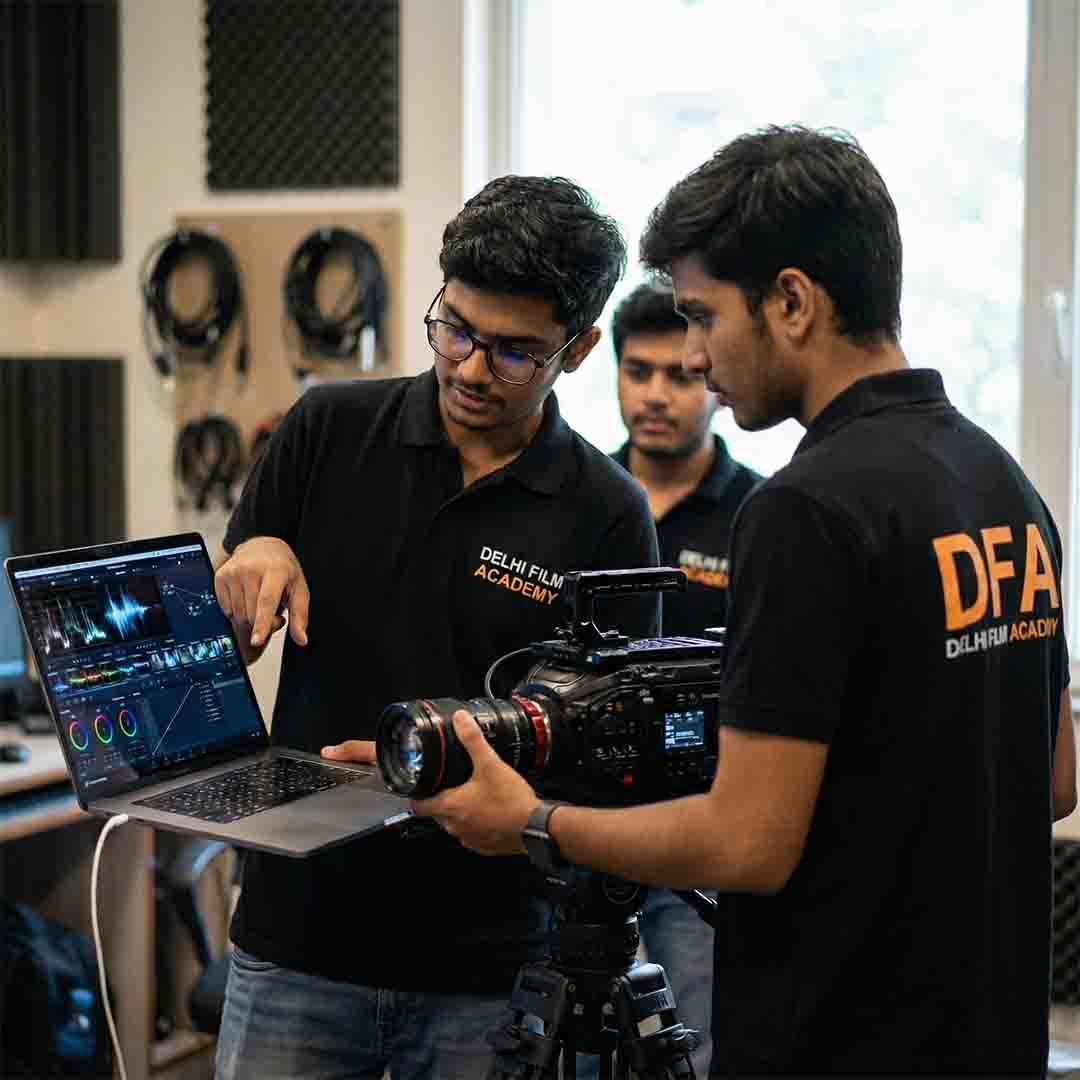
From foundational concepts to advanced applications, this program trains students to integrate artificial intelligence into real filmmaking environments. The curriculum covers AI-assisted pre-production planning, screenplay development, visual research, shot design, production optimization, intelligent editing, sound enhancement, music generation, color grading support, and post-production acceleration.
Students work on hands-on AI filmmaking exercises and practical projects, learning how modern filmmakers use AI to improve efficiency, creativity, and production quality across films, OTT series, branded content, ad films, music videos, and digital platforms.
Under expert mentorship, students gain real-world experience using AI as a professional tool—not a shortcut—while maintaining strong cinematic fundamentals. The journey begins with core filmmaking principles and evolves into advanced AI-driven production workflows aligned with current industry practices.
Runway ML is used to generate and modify cinematic video using AI-powered motion and video tools. Students learn text-to-video, image-to-video, motion consistency, clean plates, and background replacement while maintaining cinematic realism and shot continuity for professional filmmaking workflows.
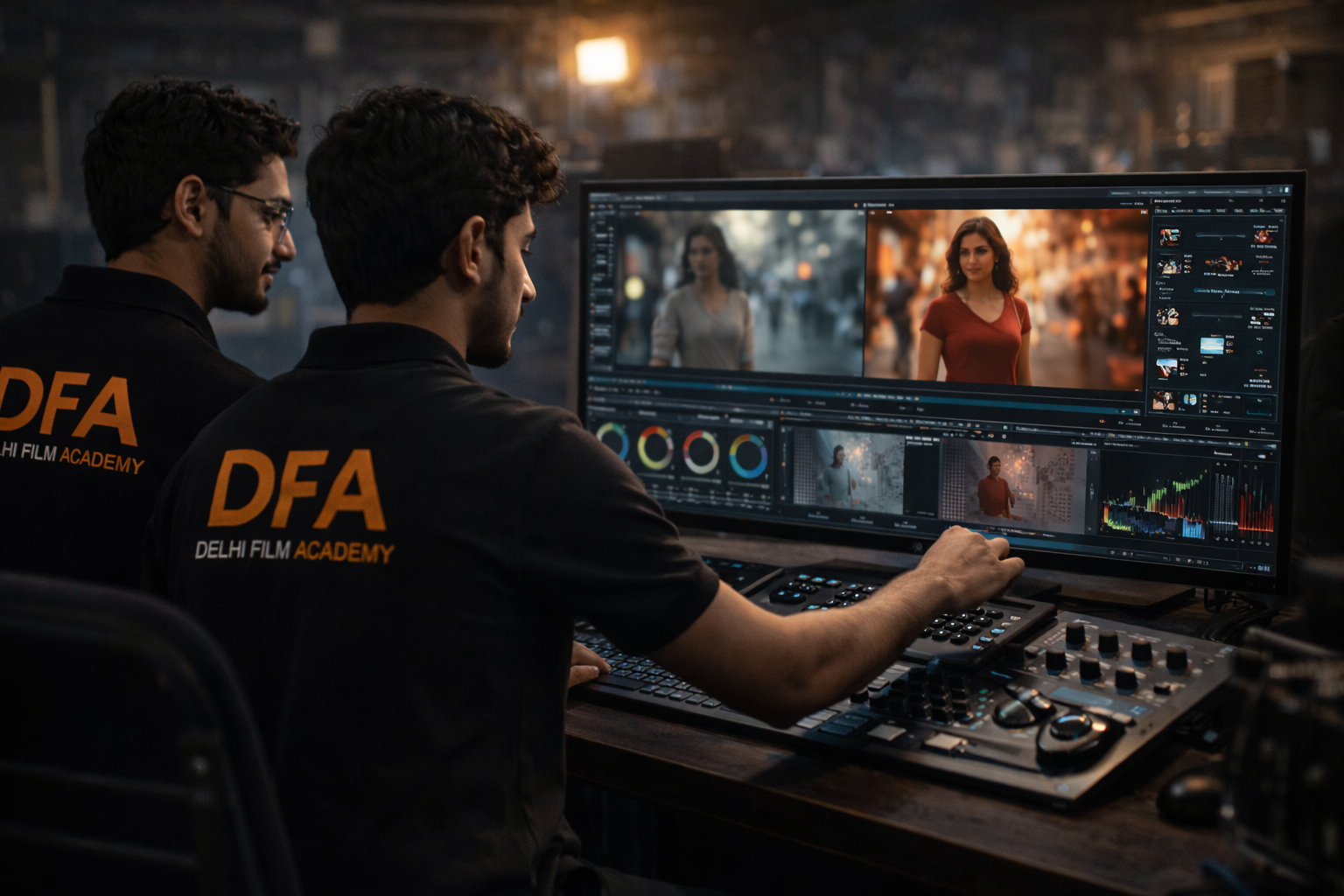
DaVinci Resolve is used for AI-driven post-production workflows, including color grading, shot matching, noise reduction, object masking, and subject isolation. Students learn how AI enhances precision and speed while maintaining professional cinematic color and visual consistency.
InVideo AI is used for fast-paced content creation in commercial and digital environments. Students learn AI-assisted video structuring, sequencing, and rapid production workflows for ads, branded content, promos, and social media without compromising storytelling quality.
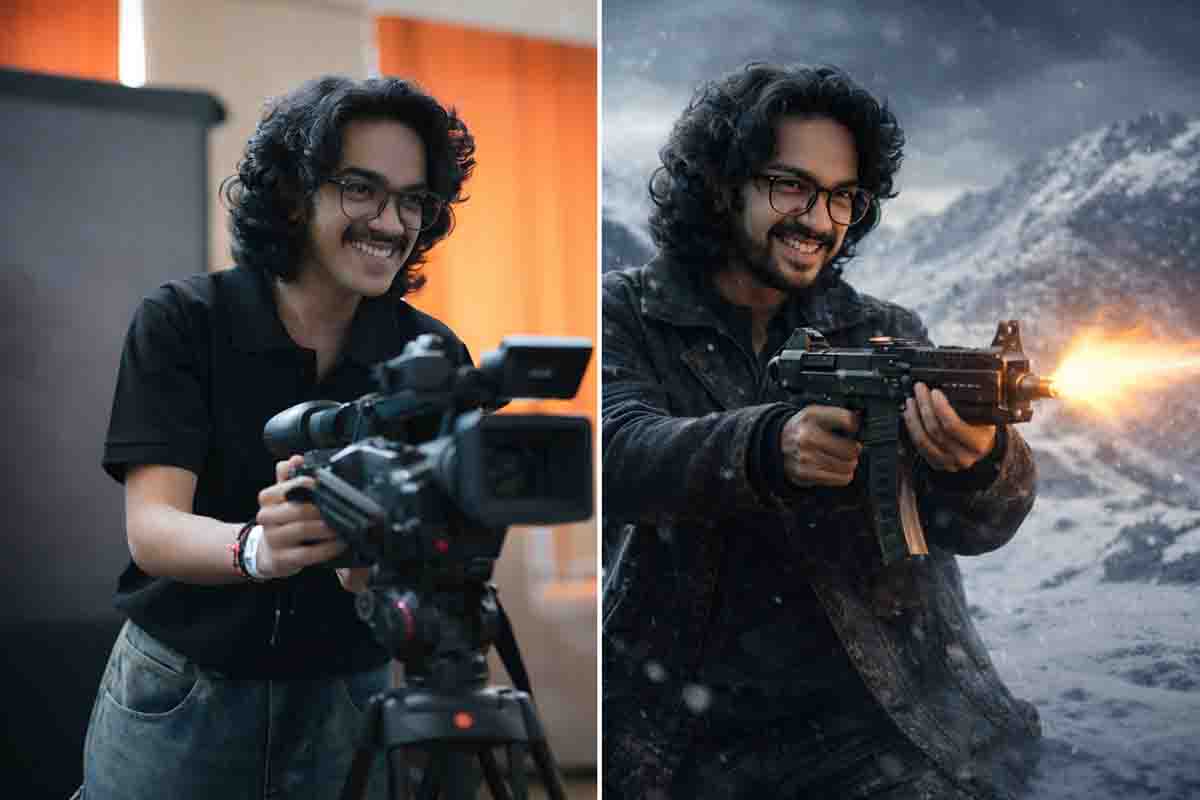
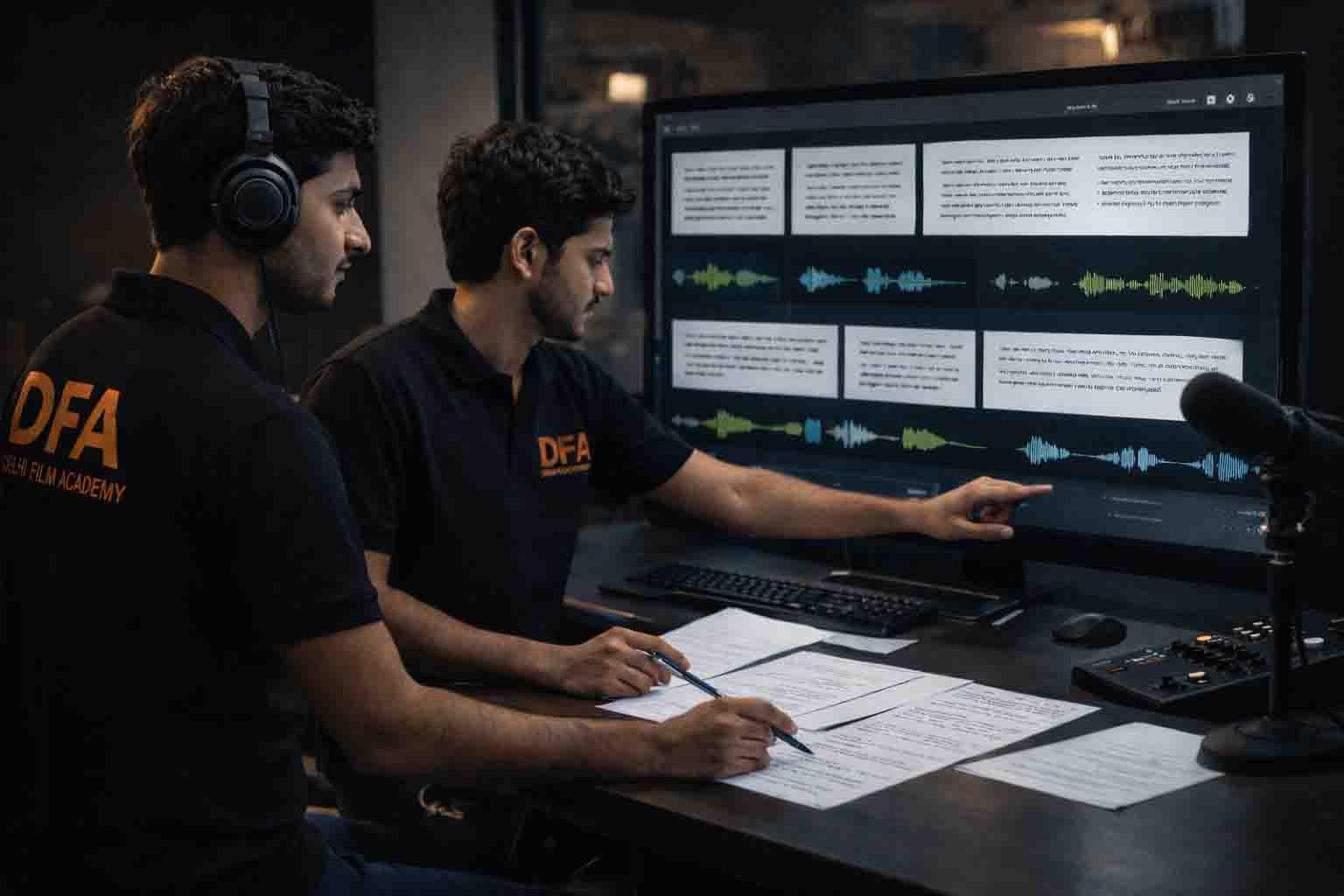
Descript is used for AI-based video and audio editing workflows. Students learn text-based editing, dialogue cleanup, filler word removal, transcription, and restructuring interviews and podcasts efficiently for professional content creation.
Clip AI is used for clip-based motion analysis and enhancement. Students learn AI-driven motion refinement, stabilization, speed control, and visual smoothness to improve action shots, transitions, and post-production continuity.
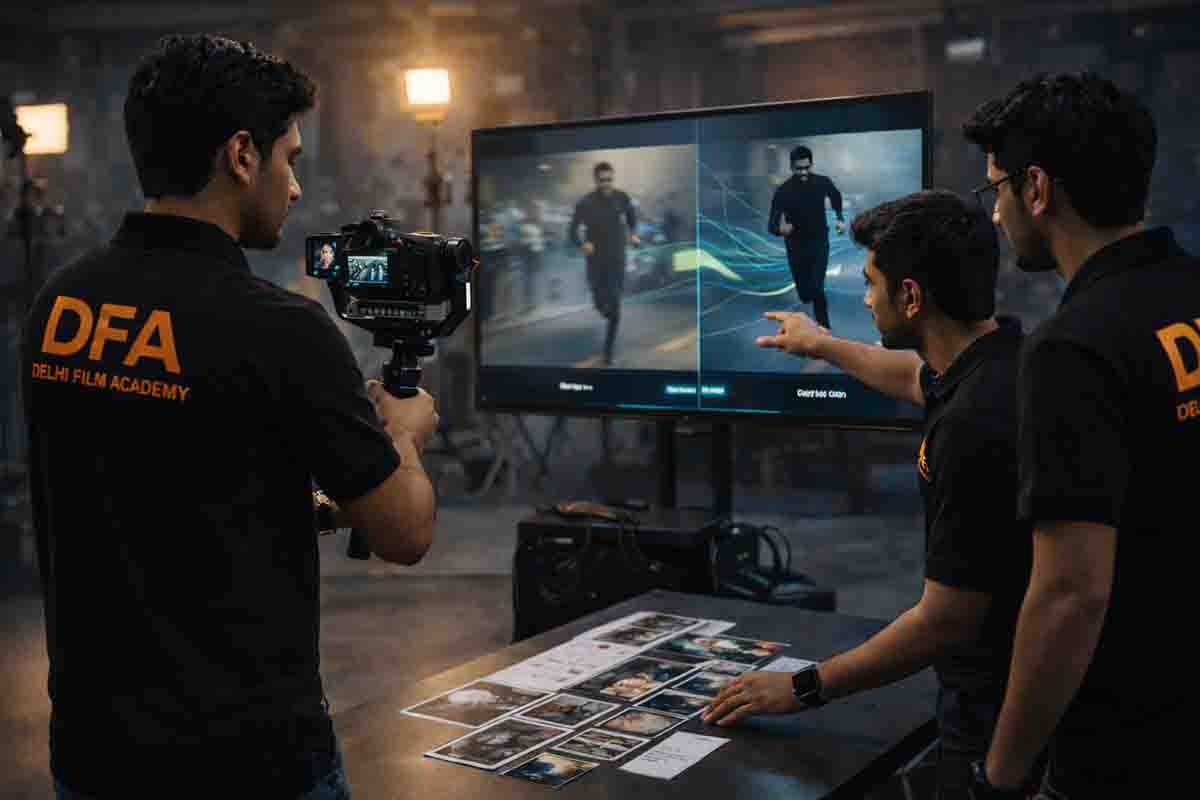
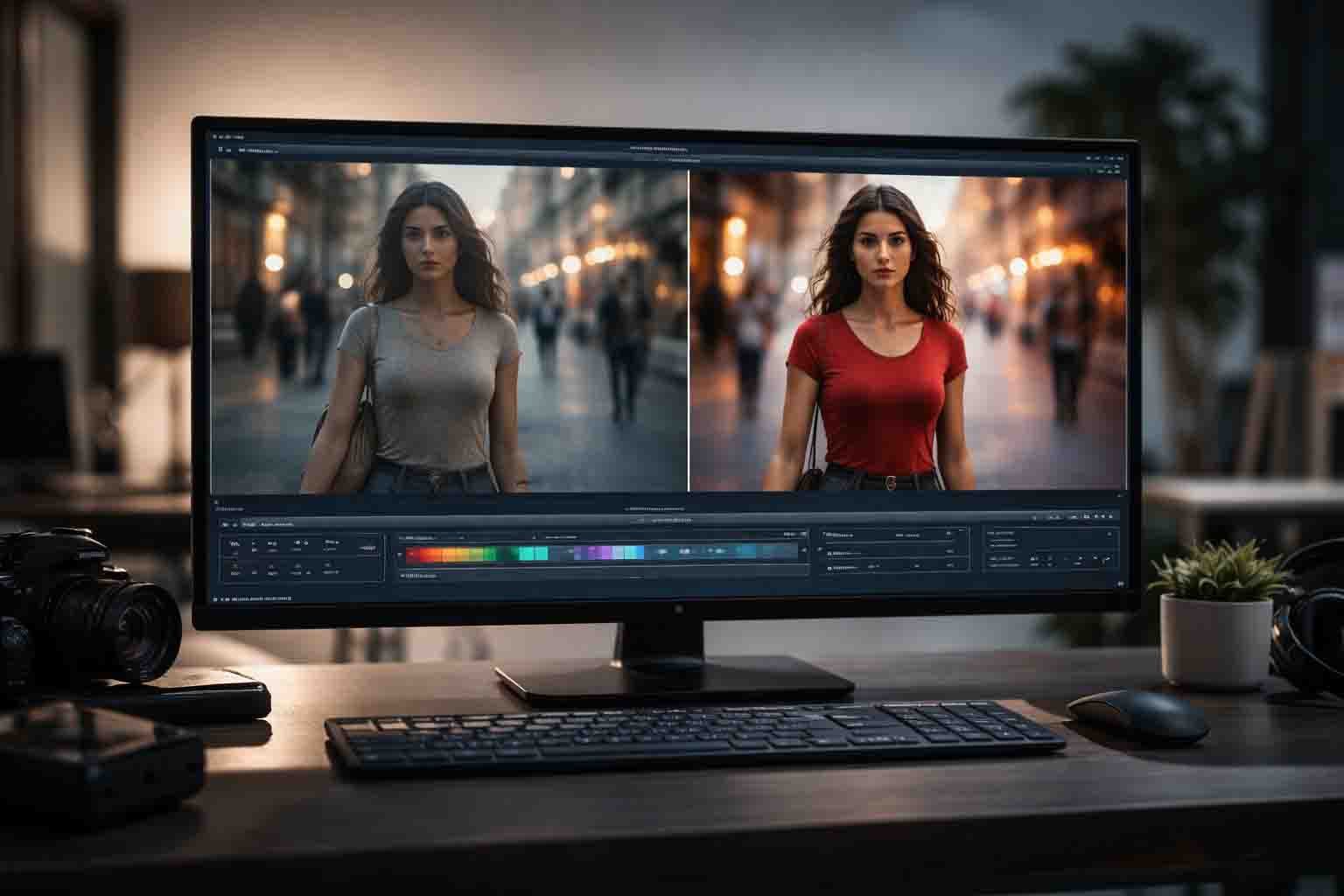
Topaz Labs Video AI is used for enhancing and restoring footage quality. Students learn AI-powered upscaling, noise reduction, motion enhancement, and frame interpolation while preserving cinematic detail and visual integrity.
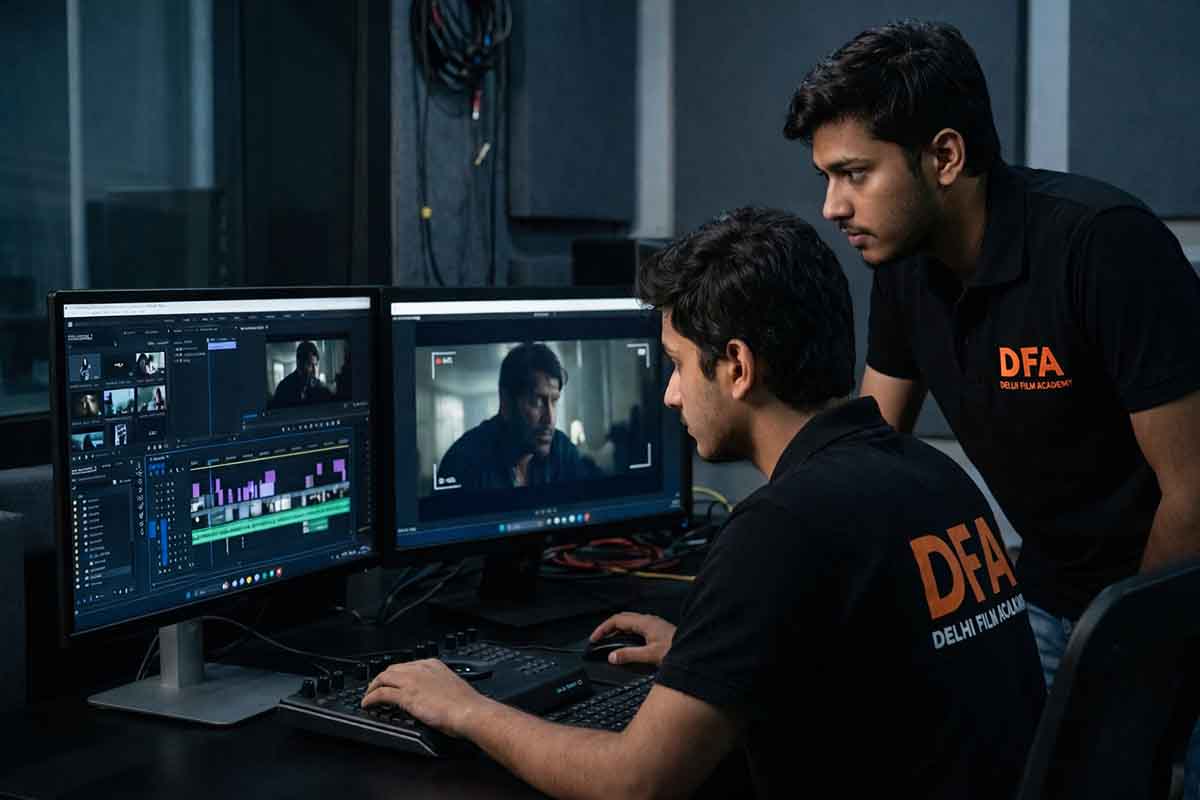
Adobe Premiere Pro is used for AI-assisted video editing workflows. Students learn intelligent cuts, timeline acceleration, auto reframing, speech enhancement, and efficient editing techniques used in professional film and OTT post-production.
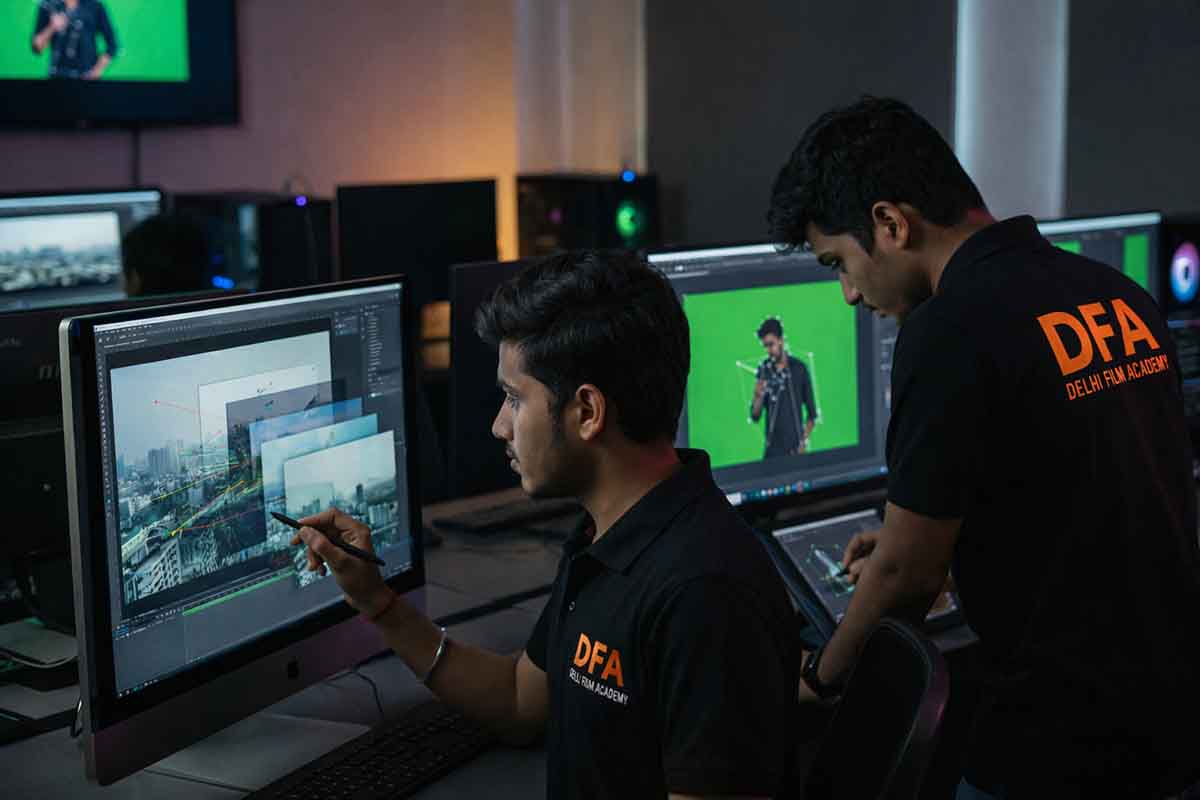
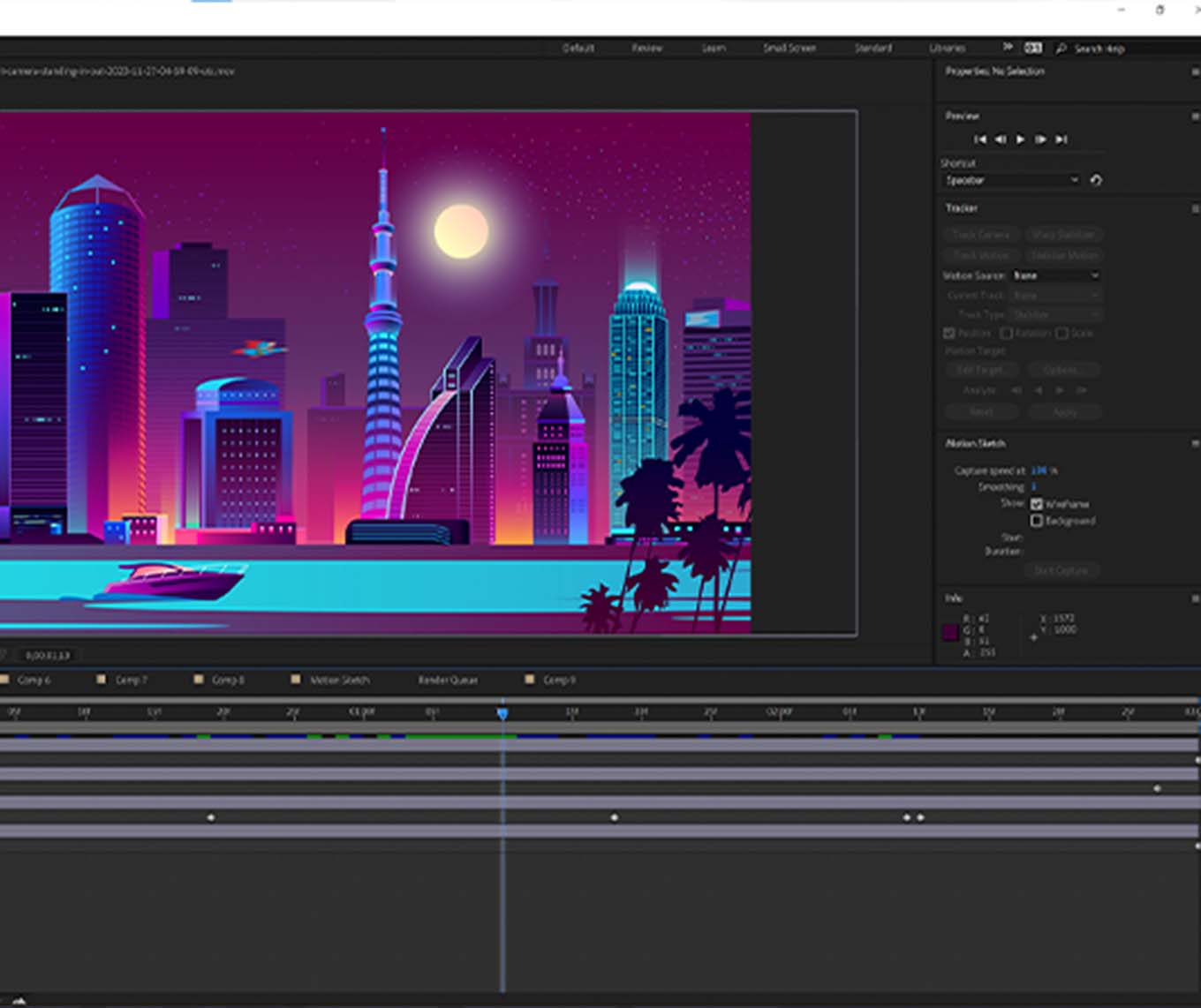
After Effects is used for AI-assisted visual effects and motion design. Students learn content-aware fills, rotoscoping, background removal, motion tracking, and visual enhancements to support cinematic storytelling and post-production workflows.
ChatGPT is used for AI-assisted storytelling and script development. Students learn idea generation, scene structuring, dialogue drafting, screenplay refinement, and creative problem-solving while maintaining human judgment and cinematic intent.
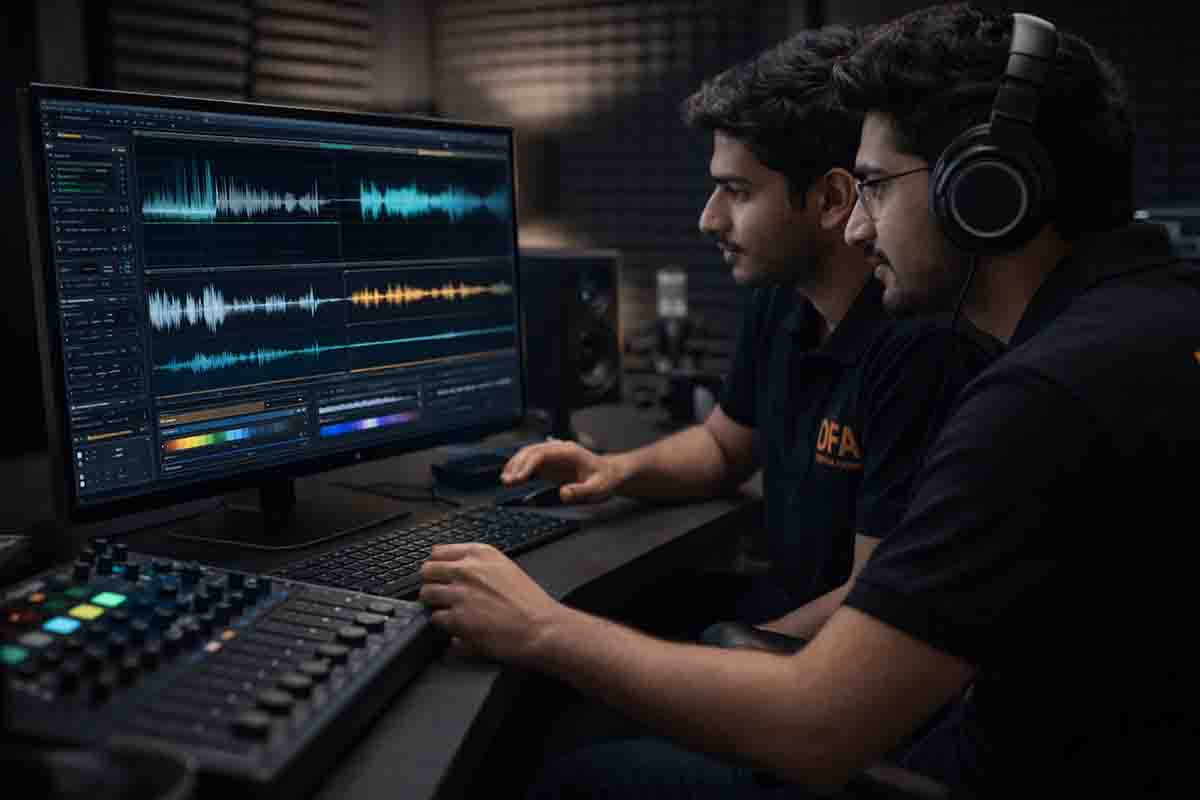
Adobe Audition is used for professional AI-assisted audio editing. Students learn dialogue cleanup, noise reduction, voice enhancement, audio restoration, and sound balancing workflows used in film, OTT, and broadcast post-production.
AI sound and voice design focuses on enhancing dialogue clarity, vocal tone, ambience, and sound effects using intelligent tools. Students learn how AI assists in voice cleanup, sound layering, ambience creation, and audio consistency across scenes.
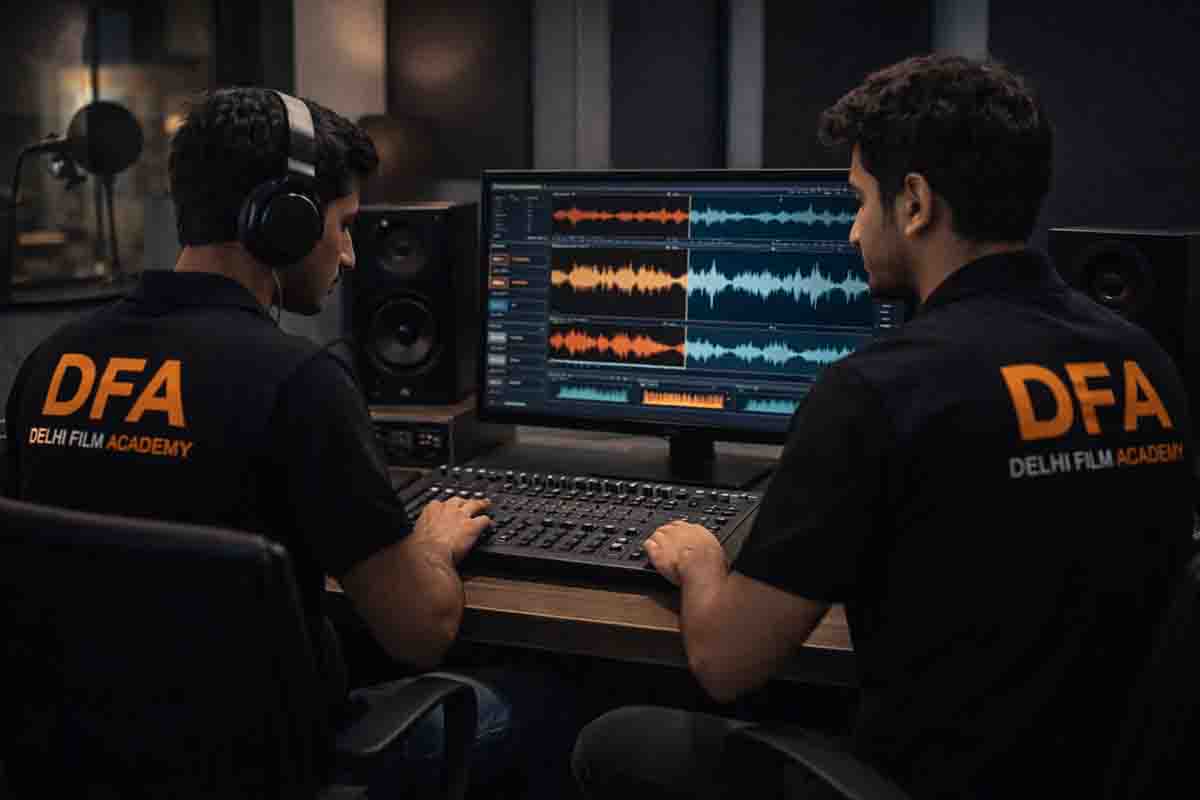
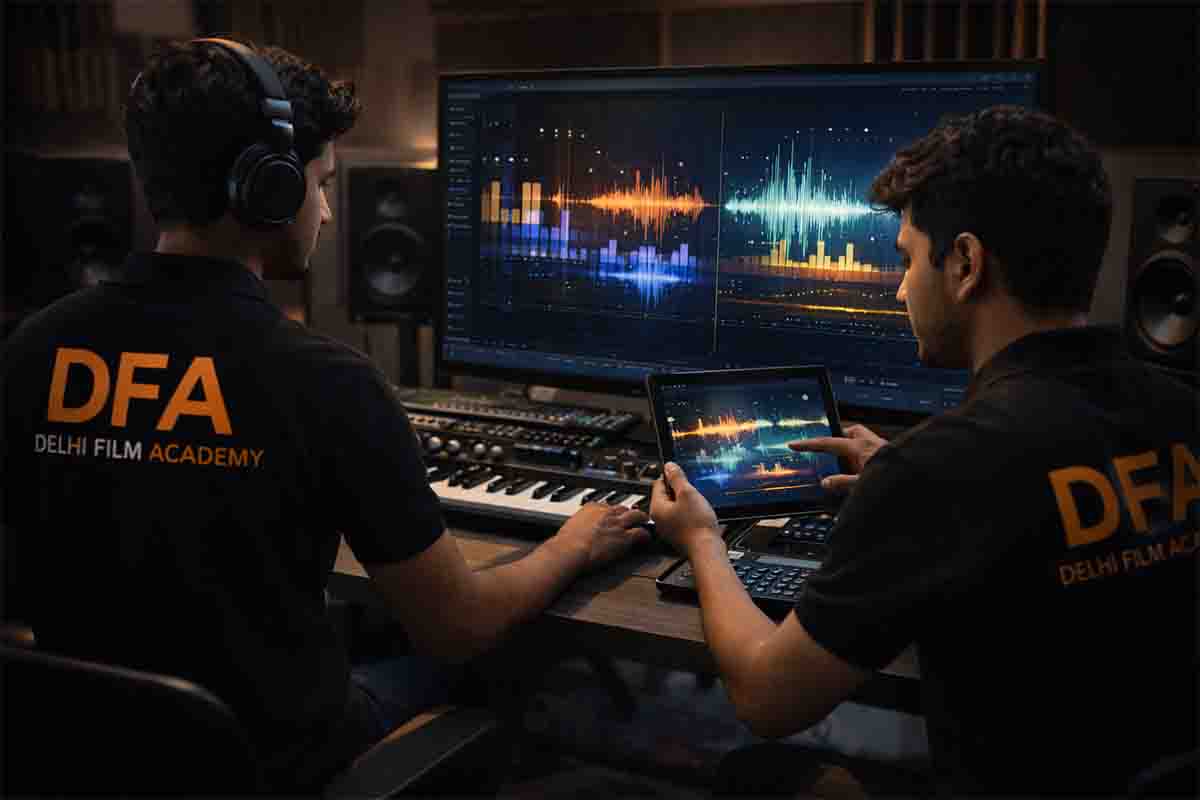
AI music generation tools are used to create background scores, themes, and mood-based music for films and digital content. Students learn how AI assists in composing, adapting, and syncing music while maintaining creative control and cinematic intent.
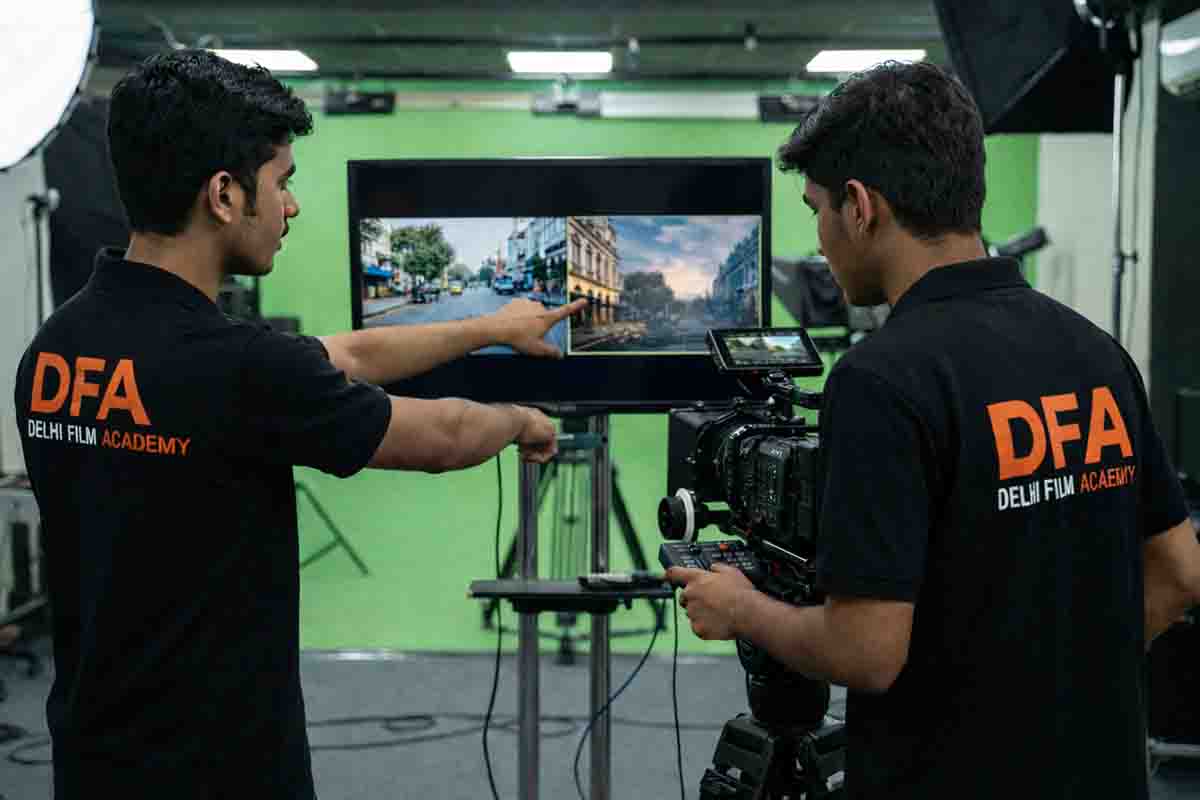
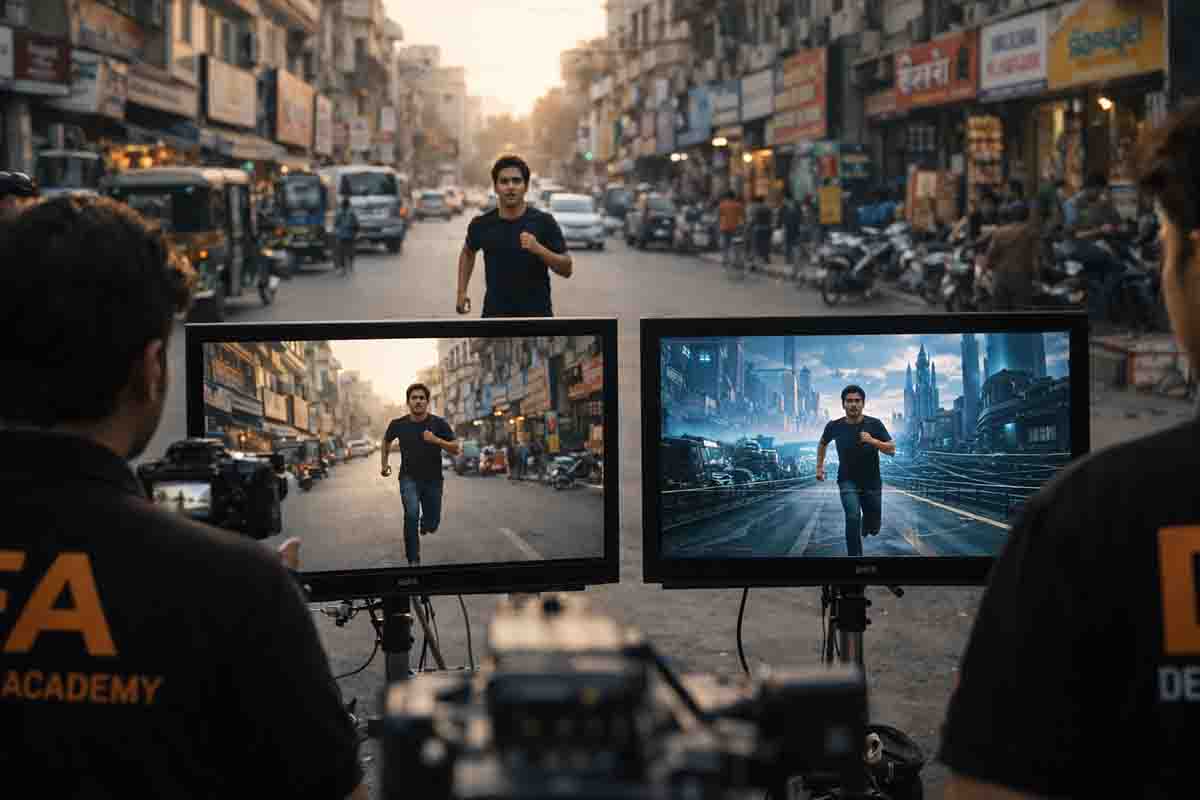
Students learn how to seamlessly merge real, live-action footage with AI-generated visuals using professional hybrid workflows. This includes combining practical shoots with AI-assisted backgrounds, extensions, enhancements, and visual elements while maintaining cinematic realism and continuity.
Through guided, hands-on projects, students understand how AI-generated content integrates with real footage during production and post-production. The focus remains on preserving creative control, visual consistency, and professional filmmaking standards while using AI as a powerful enhancement tool.
This approach reflects real-world industry practices, where AI supports filmmakers in extending environments, enhancing visuals, and executing complex scenes without replacing traditional cinematography or storytelling judgment.
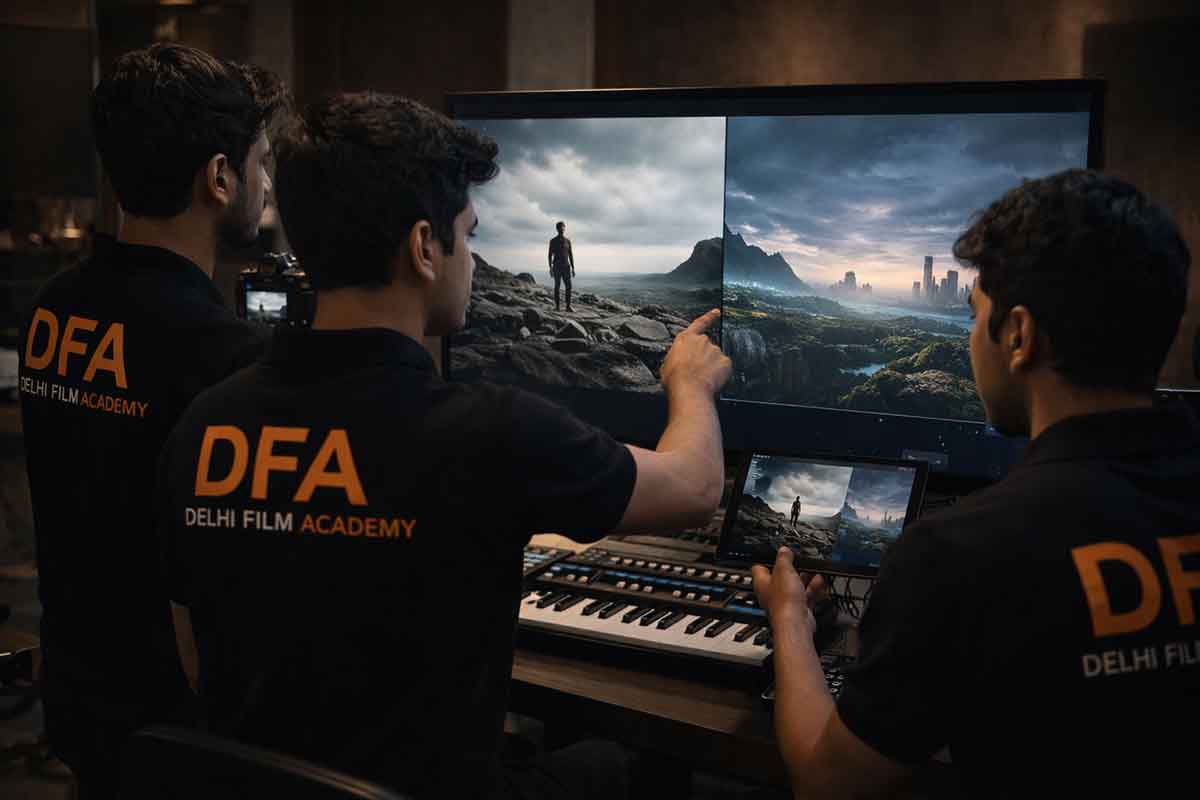
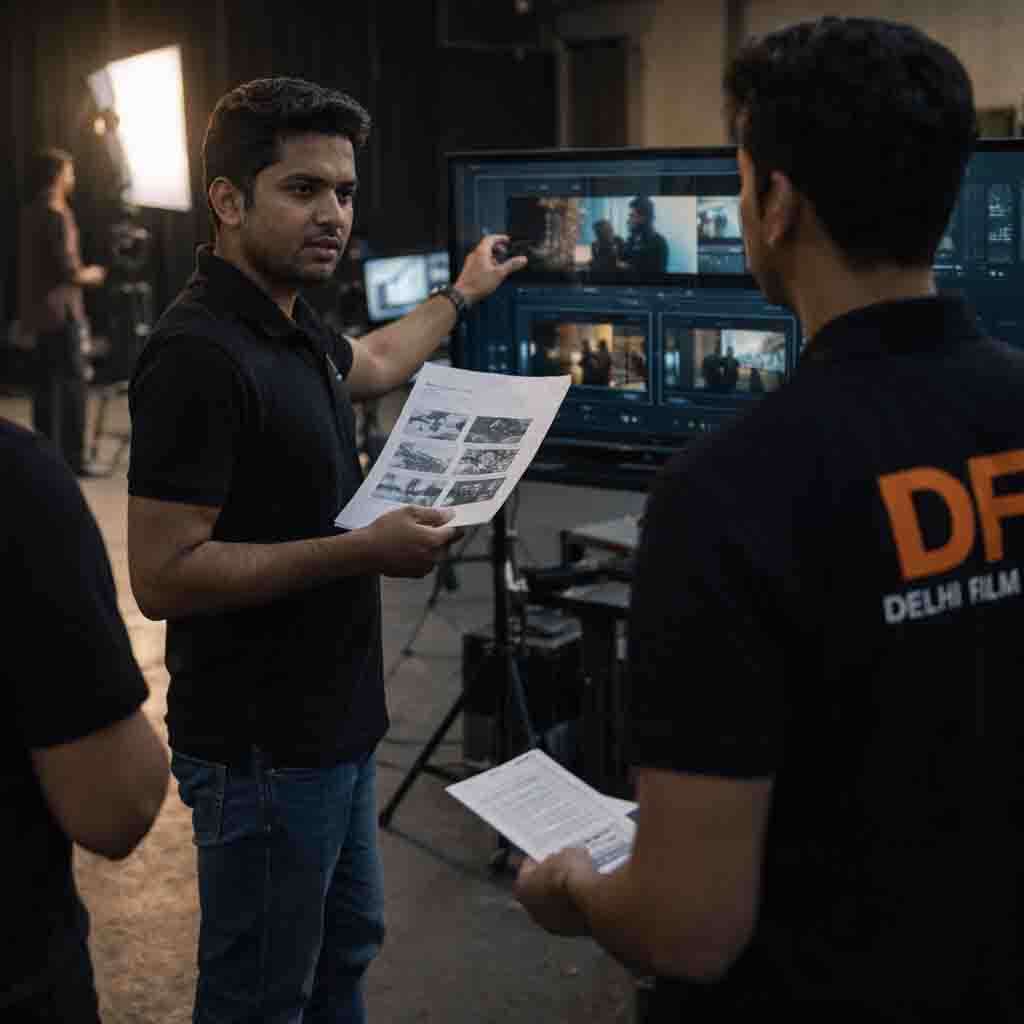
AI-assisted film direction focuses on combining creative vision with intelligent tools to plan, visualize, and execute films more efficiently. Filmmakers learn how AI supports decision-making during pre-production, production, and post-production while keeping human creativity at the center of the process.
This approach trains filmmakers to manage both artistic and technical elements using hybrid workflows. By learning how to guide AI tools effectively, students develop the ability to maintain creative control, communicate vision clearly, and execute projects confidently in fast-paced, modern filmmaking environments.
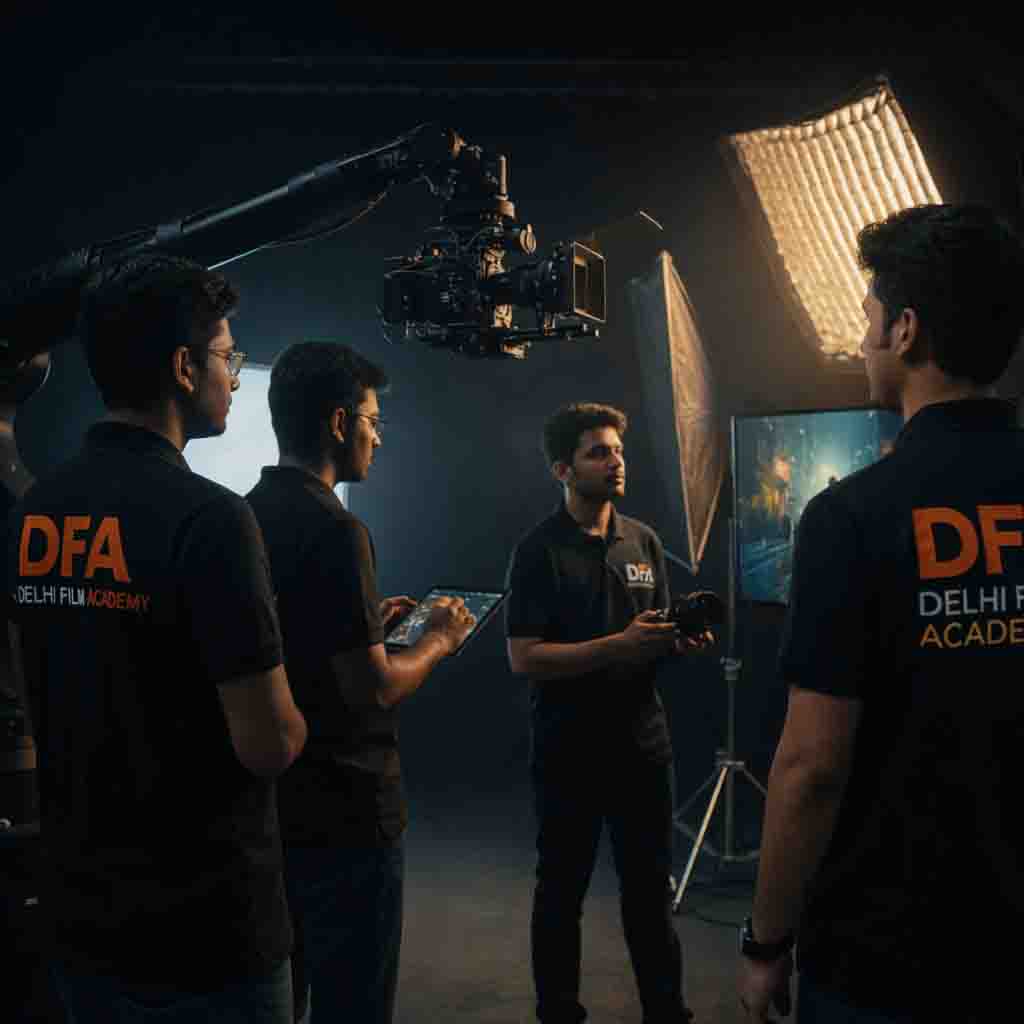
AI has transformed cinematography by removing budget limitations. With AI-assisted tools, filmmakers can achieve high-end visuals, cinematic lighting, complex camera movements, and large-scale environments—making world-class cinematography possible at any budget.
Our curriculum dives deep into the art and science of cinematography. Learn to master the interplay of light and shadow, the dynamics of camera movement, and the subtleties of composition and color. We teach you how to create mood, tone, and emotion, turning each frame into a masterpiece.
Cinematography at Delhi Film Academy is not just technical expertise; it’s an artistic journey. You will learn how to use the camera as a storyteller, making every shot contribute to the narrative arc.
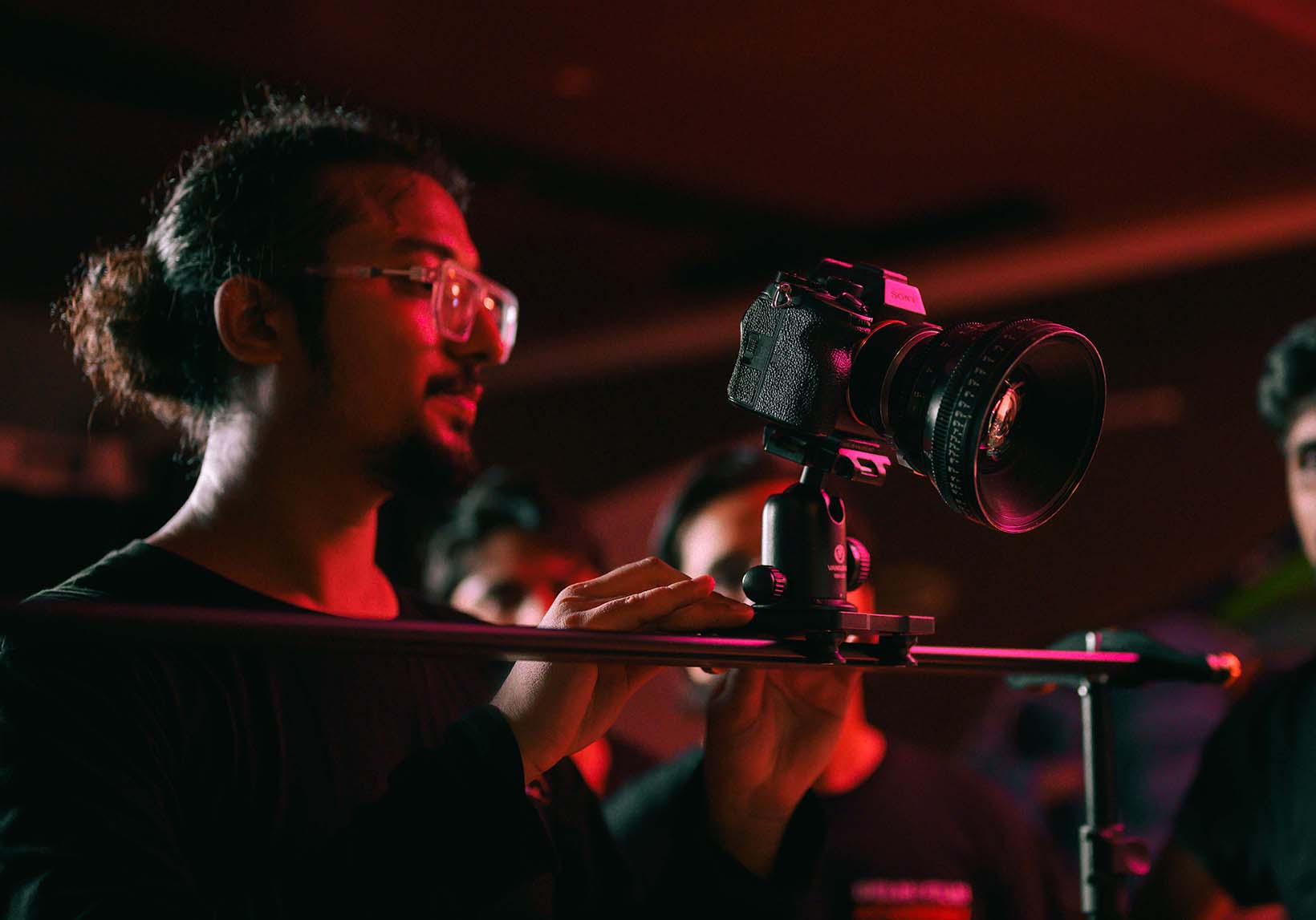
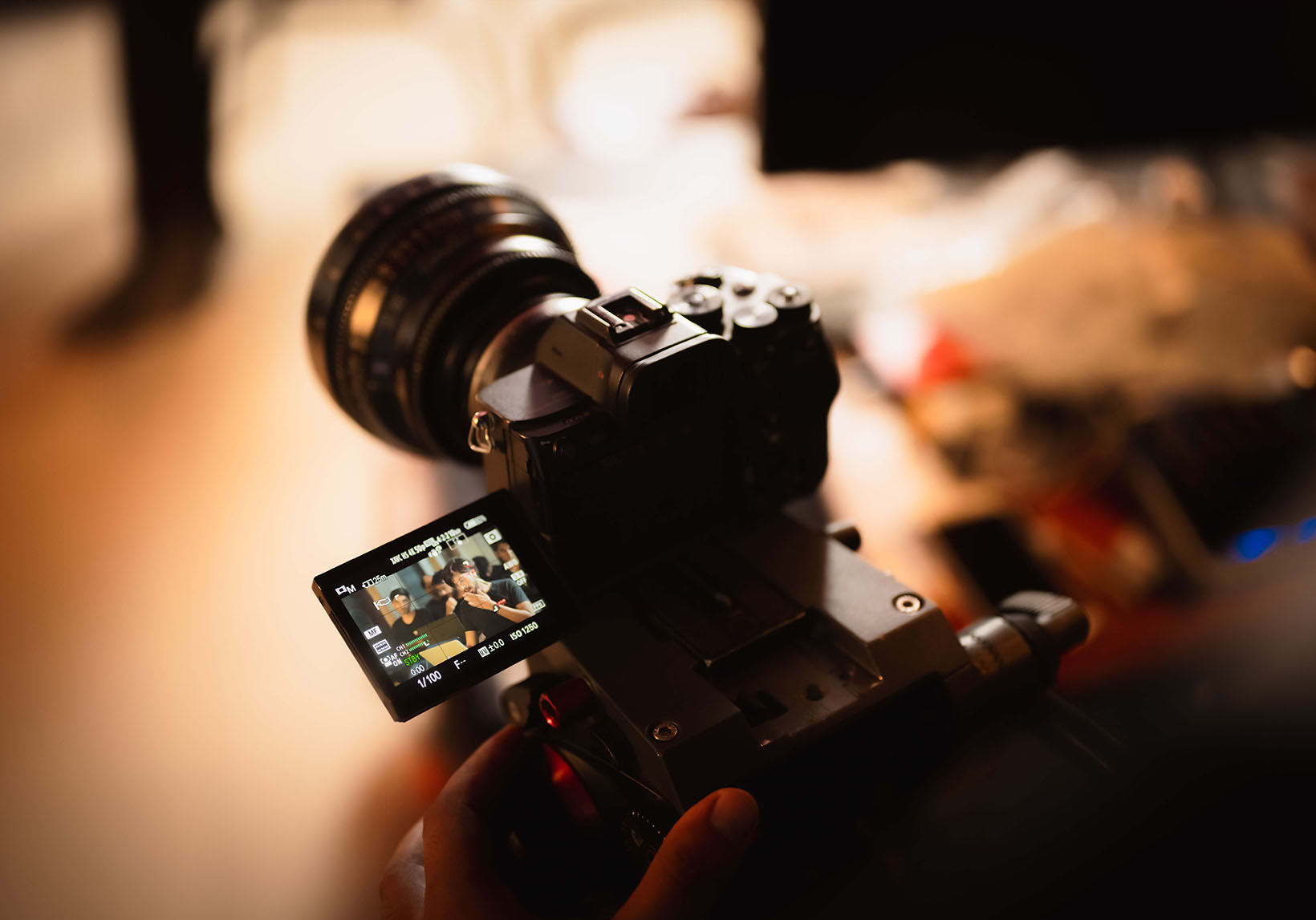
Our state-of-the-art facilities provide access to industry-standard equipment and software, ensuring that you're not just ready for the industry but ahead of the curve
Delve into the artistry and technical skills of cinematography. Develop your unique visual style, understanding how camera dynamics enhance storytelling.
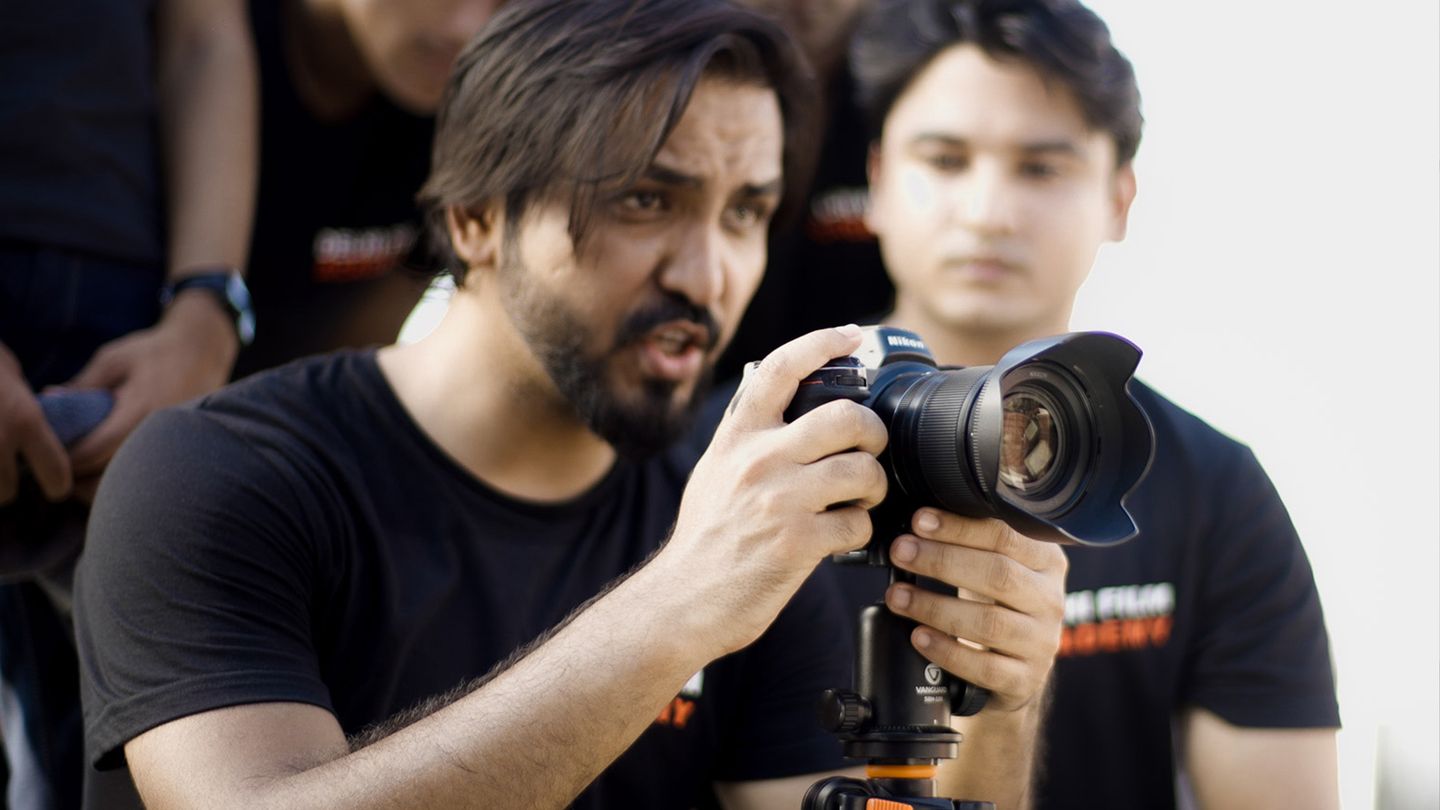
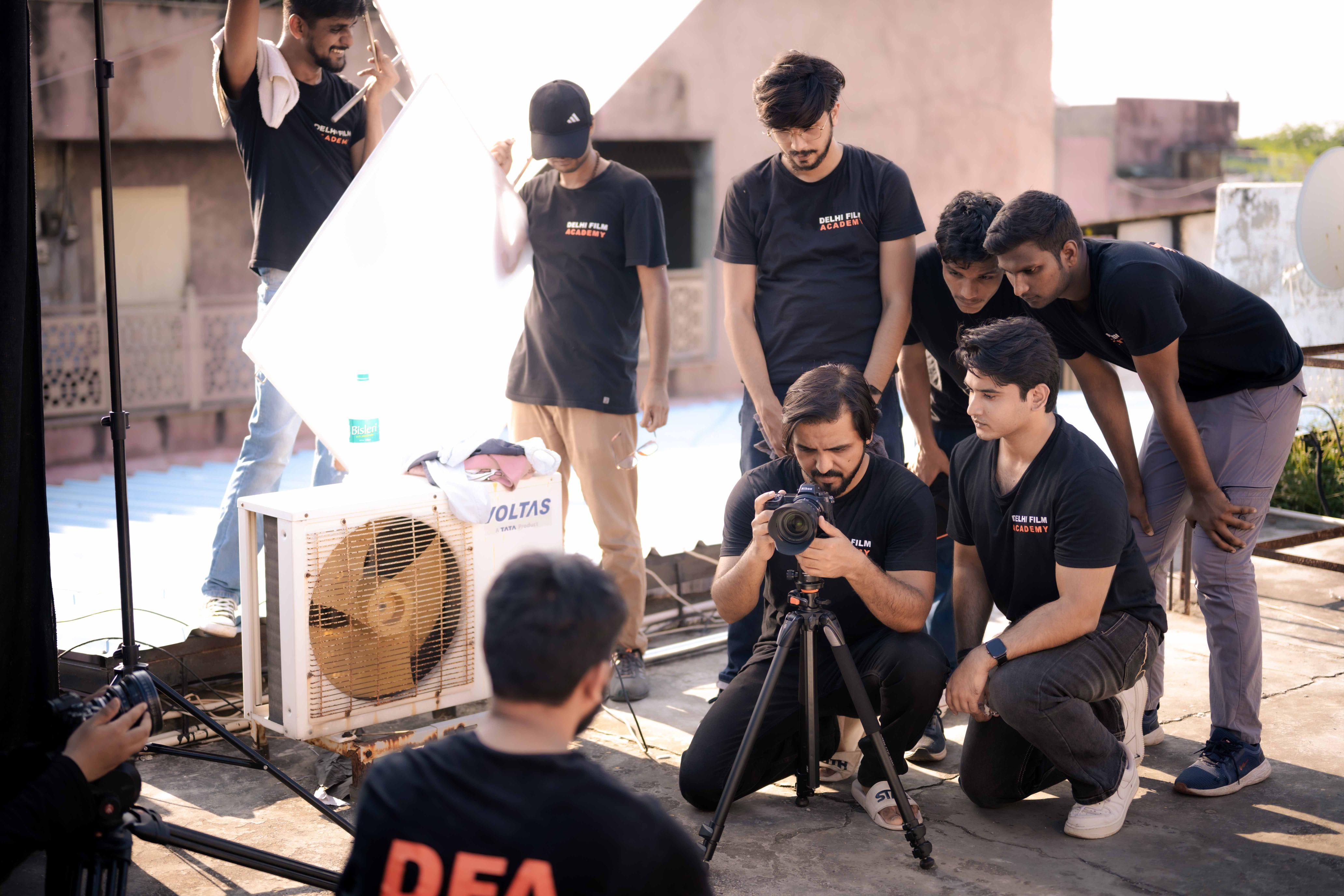
Enhance your filmmaking skills with hands-on experience in cinematography. Join us and bring your vision to life!
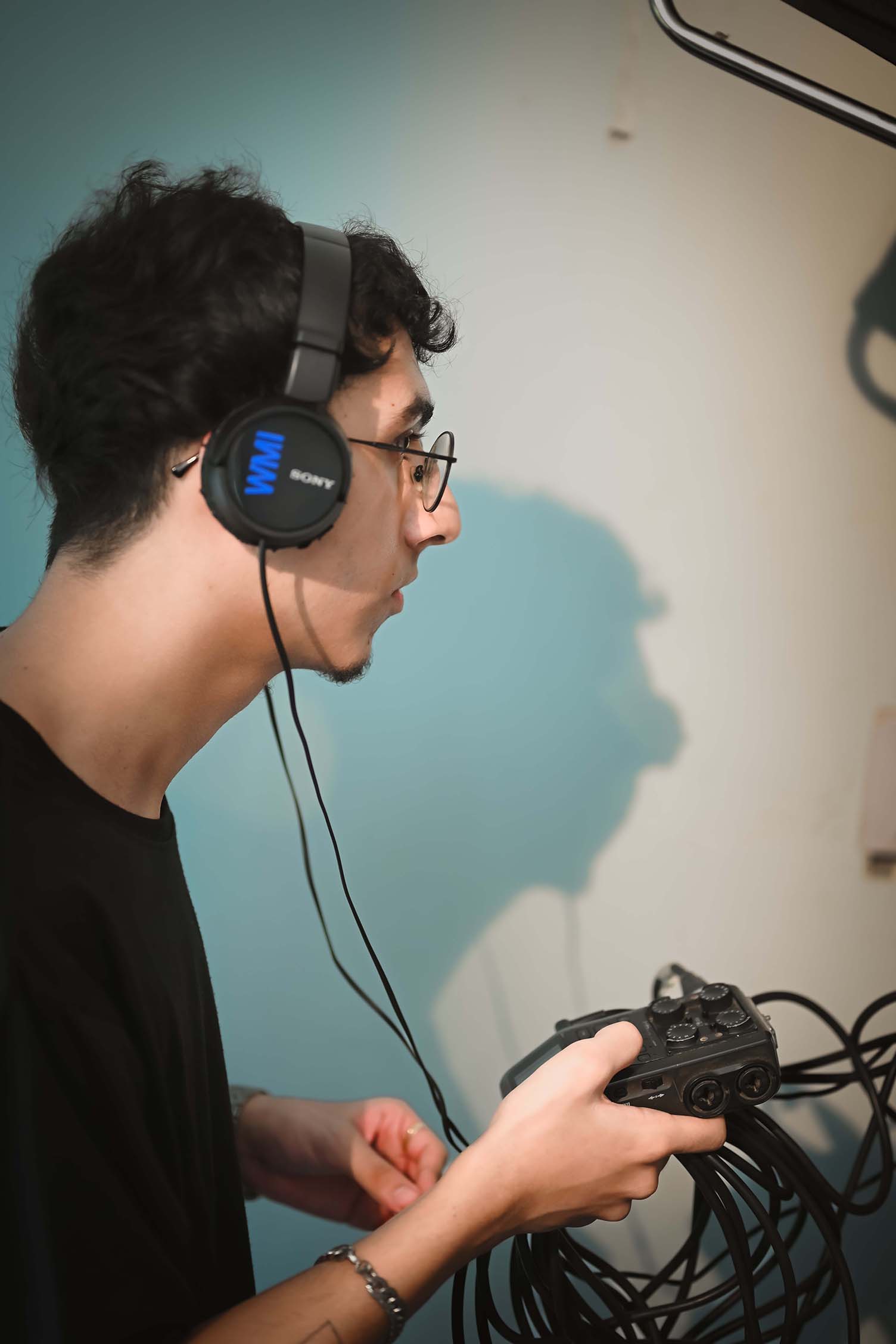
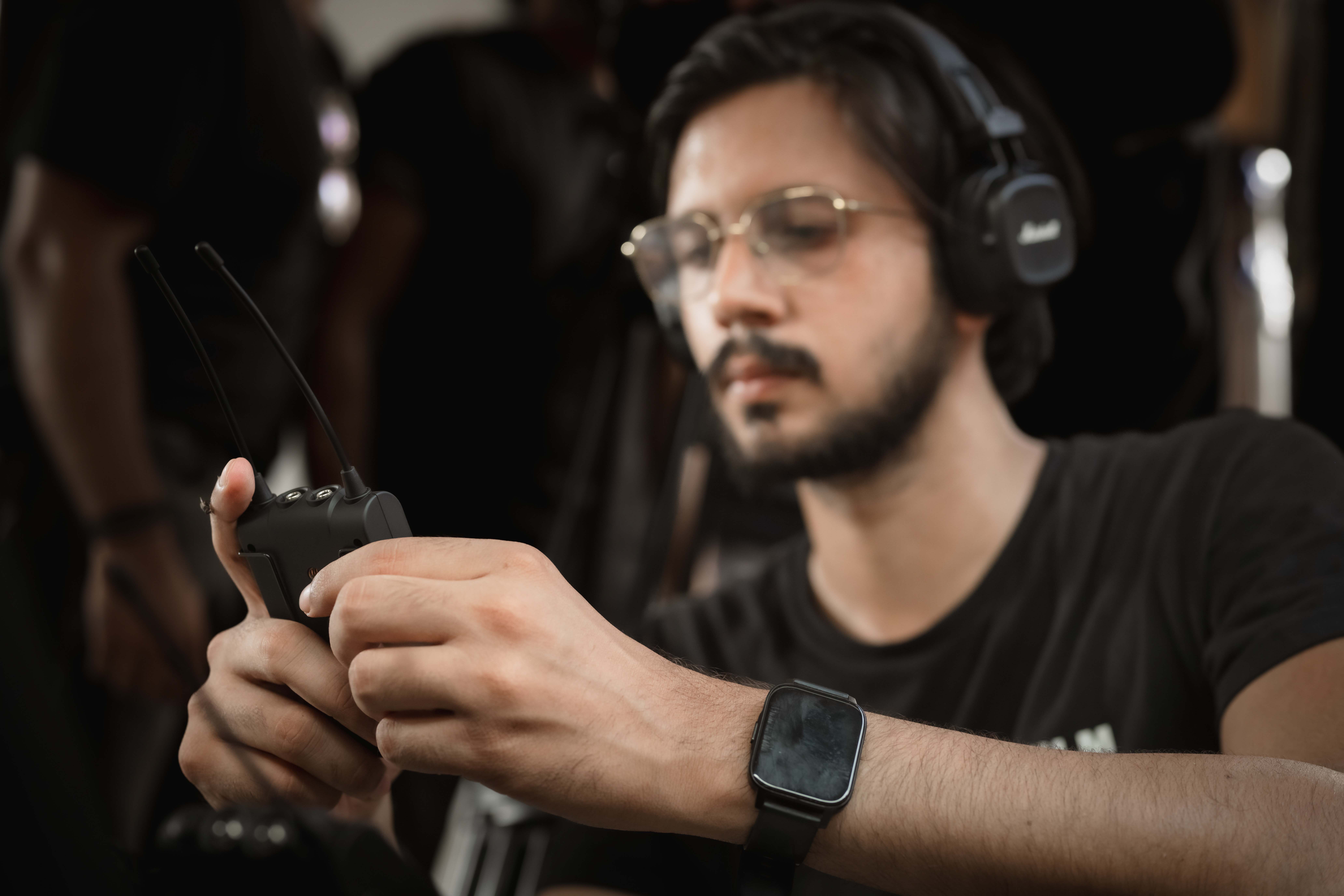
In the world of filmmaking, sound is often overshadowed by visuals, but it plays a pivotal role in shaping the viewer's experience. "Live Sound Recording" is the heart of cinematic audio, capturing authentic sounds on set that breathe life into every frame.
From the rustling of leaves to the nuances of dialogue, live sound recording ensures that the audience is immersed in the world of the film, enhancing emotional impact, and preserving the authenticity of performances.
The significance of live sound recording cannot be overstated. It ensures dialogue clarity, minimizes post-production work, and infuses realism into the cinematic experience. Quality sound recording is not just about technical process.
it's an art that enables filmmakers to convey emotions, build tension, and create memorable auditory landscapes.
Live sound recording captures the genuine sounds of the environment and actors' performances, creating a more authentic viewing experience.
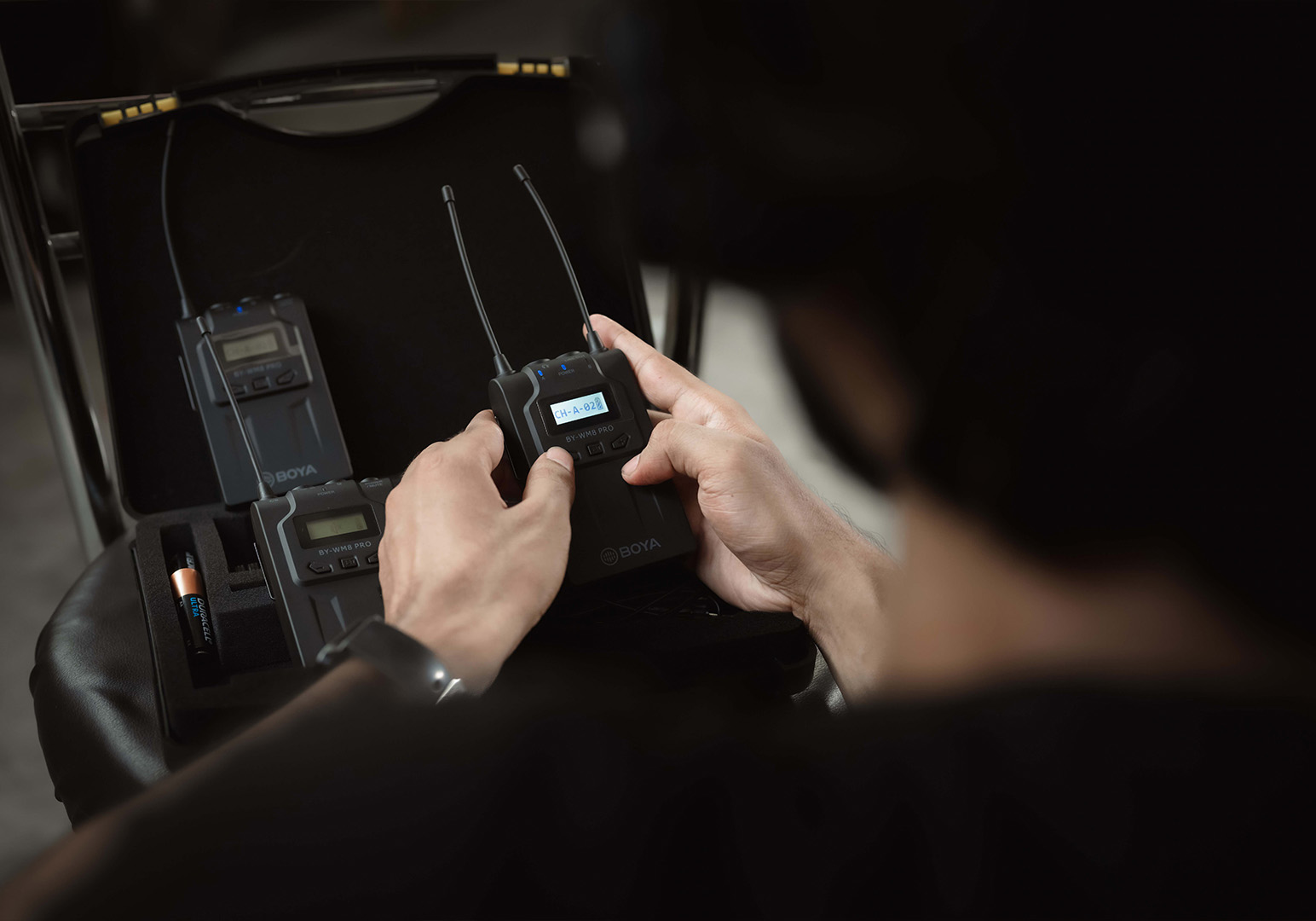
Quality sound enhances the emotional depth of a film. It can make the audience feel as if they are part of the story, immersing them in the narrative.
Live sound recording ensures that every word of dialogue is crisp and clear, eliminating the need for dubbing or additional dialogue recording.
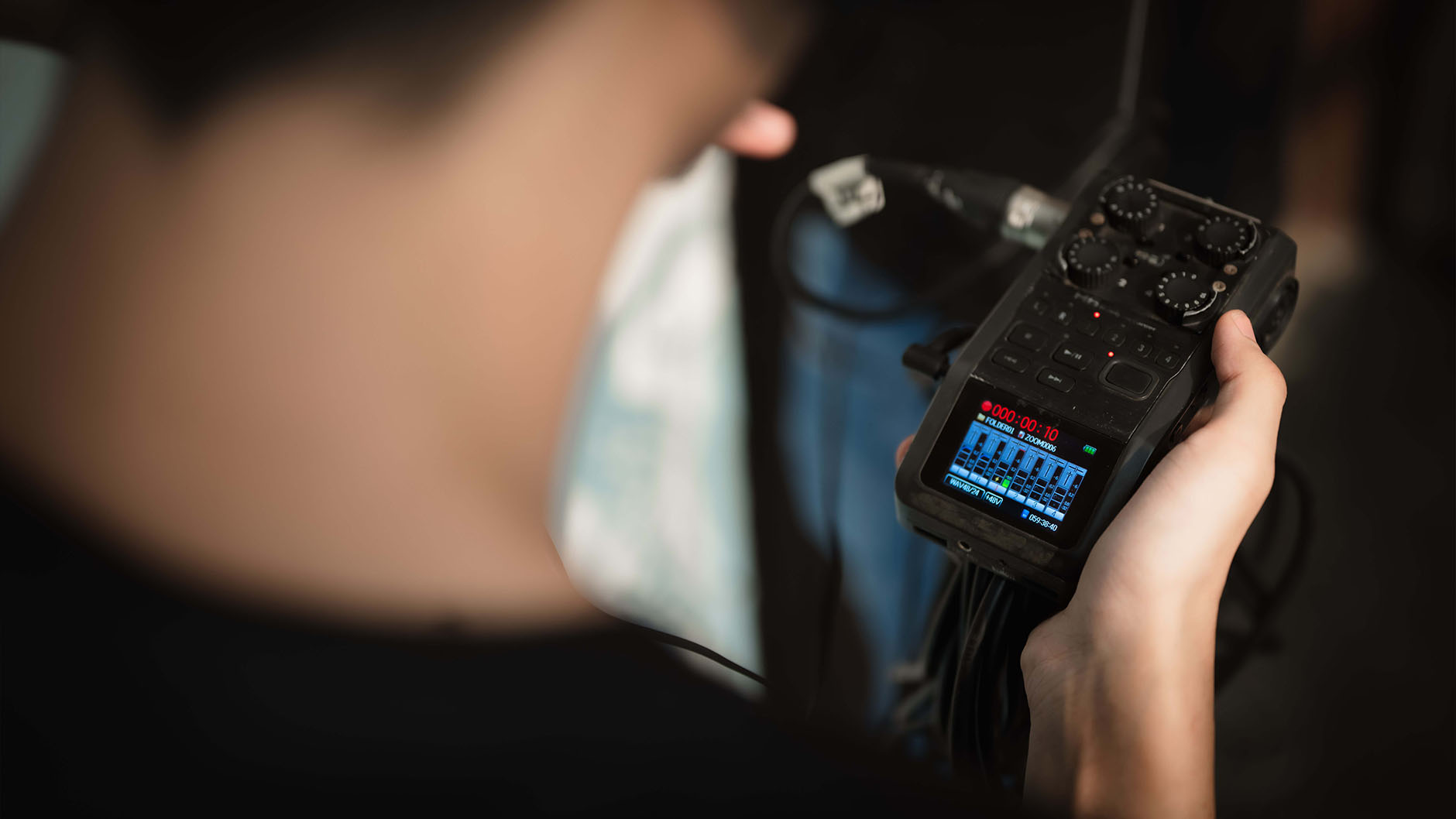
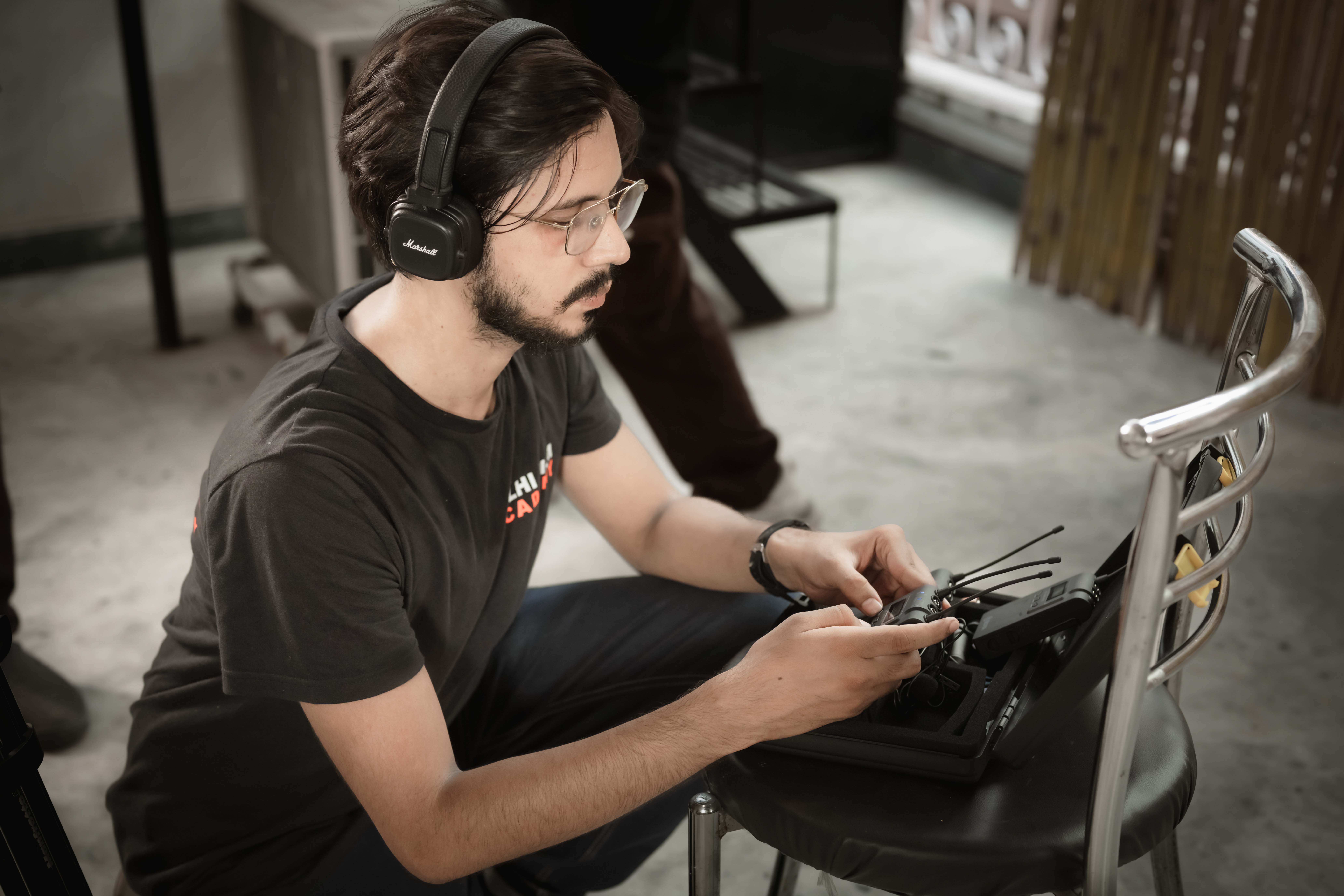
Sound recording captures the ambiance and atmosphere of the location, adding depth and realism to the visuals.
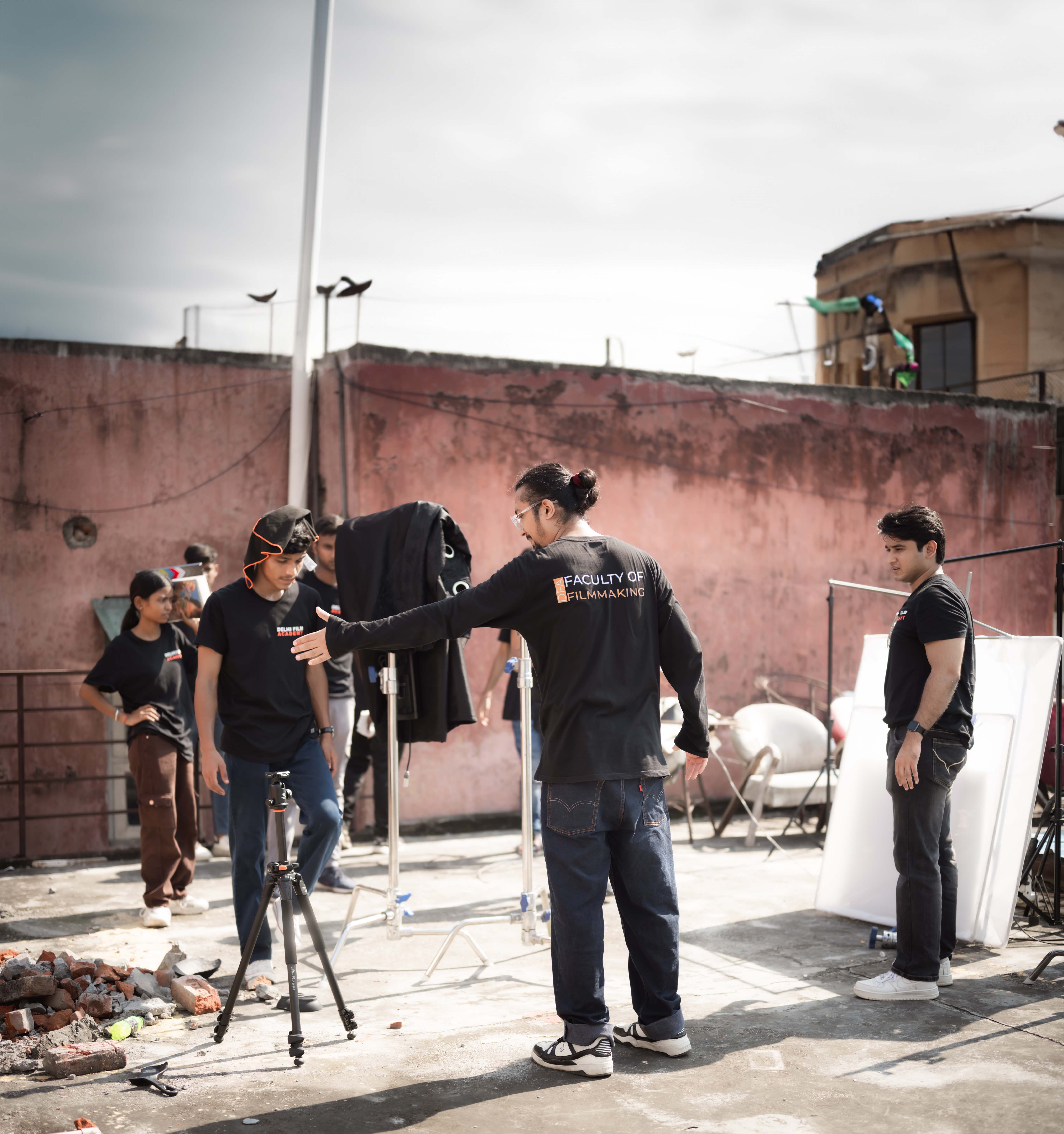
From the very basics to advanced techniques, our comprehensive curriculum equips you with the skills to excel in various genres, including ad-films, product films, music videos, web series, and short films. Gain practical experience through immersive workshops and real-world projects. Explore lighting for various genres, allowing you to adapt your skills to any creative challenge. Master the art of lighting for VFX, a crucial skill in today's filmmaking industry.
Get practical experience in real-world scenarios, working on actual projects under the guidance of industry experts. Start from the basics and build a solid understanding of cinematography and lighting techniques.
Cinematography at Delhi Film Academy is not just technical expertise; it’s an artistic journey. You will learn how to use the camera as a storyteller, making every shot contribute to the narrative arc.
.jpg)
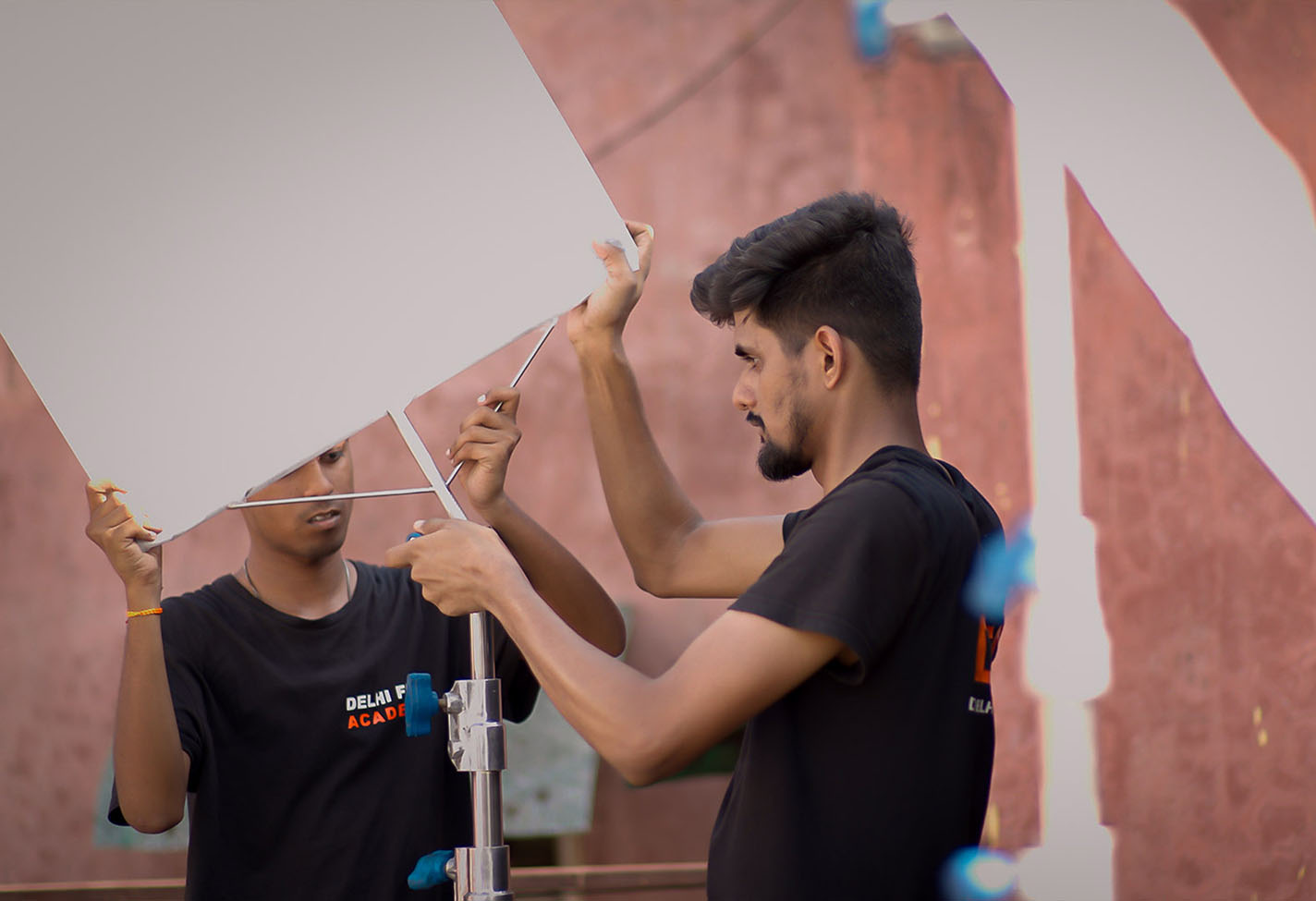
Start your journey with a strong foundation in filmmaking, understanding the importance of lighting as a storytelling tool
Explore various genres to hone your skills, from creating the perfect ambiance for a romantic scene to crafting intense suspense in a thriller.
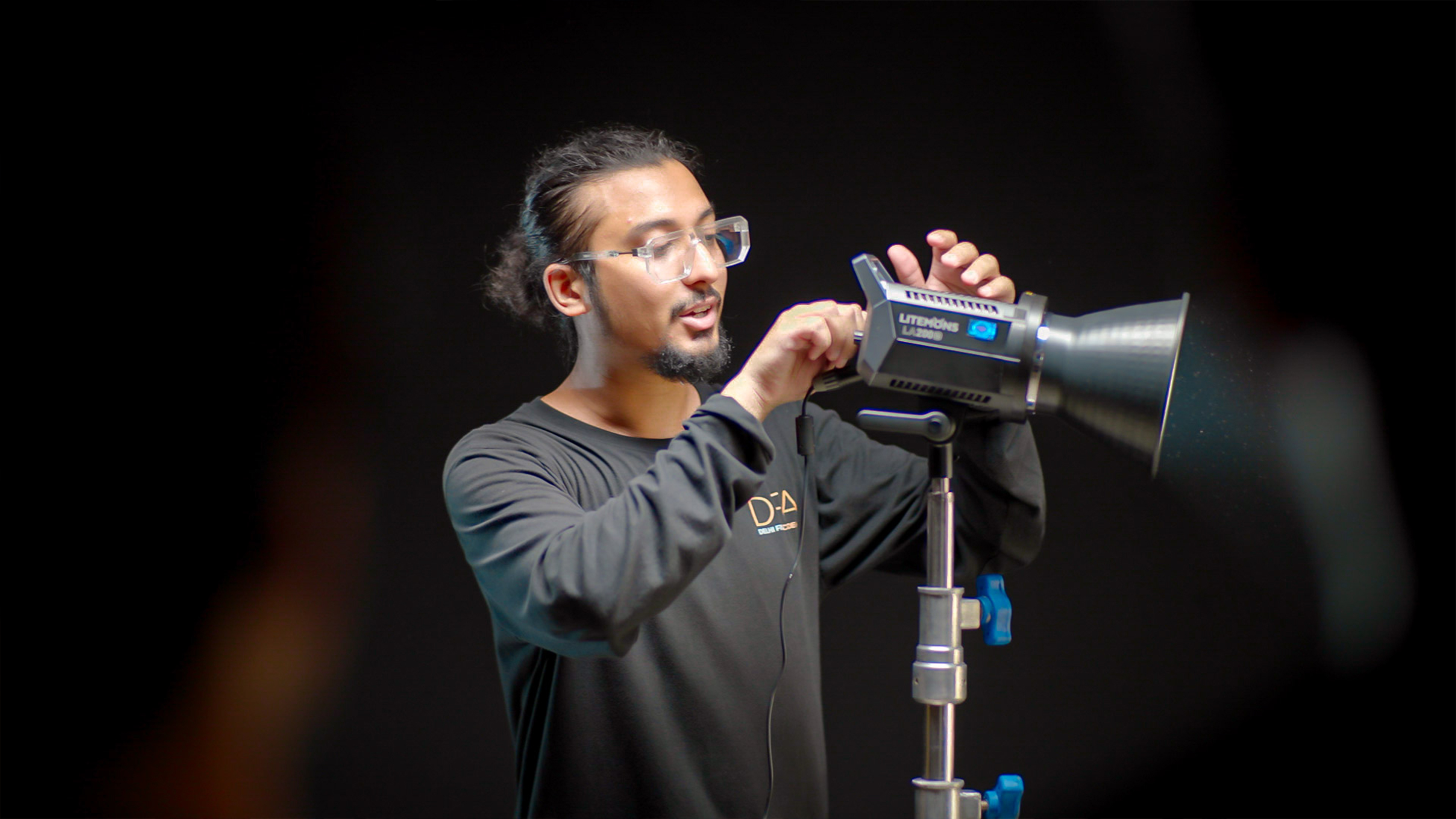
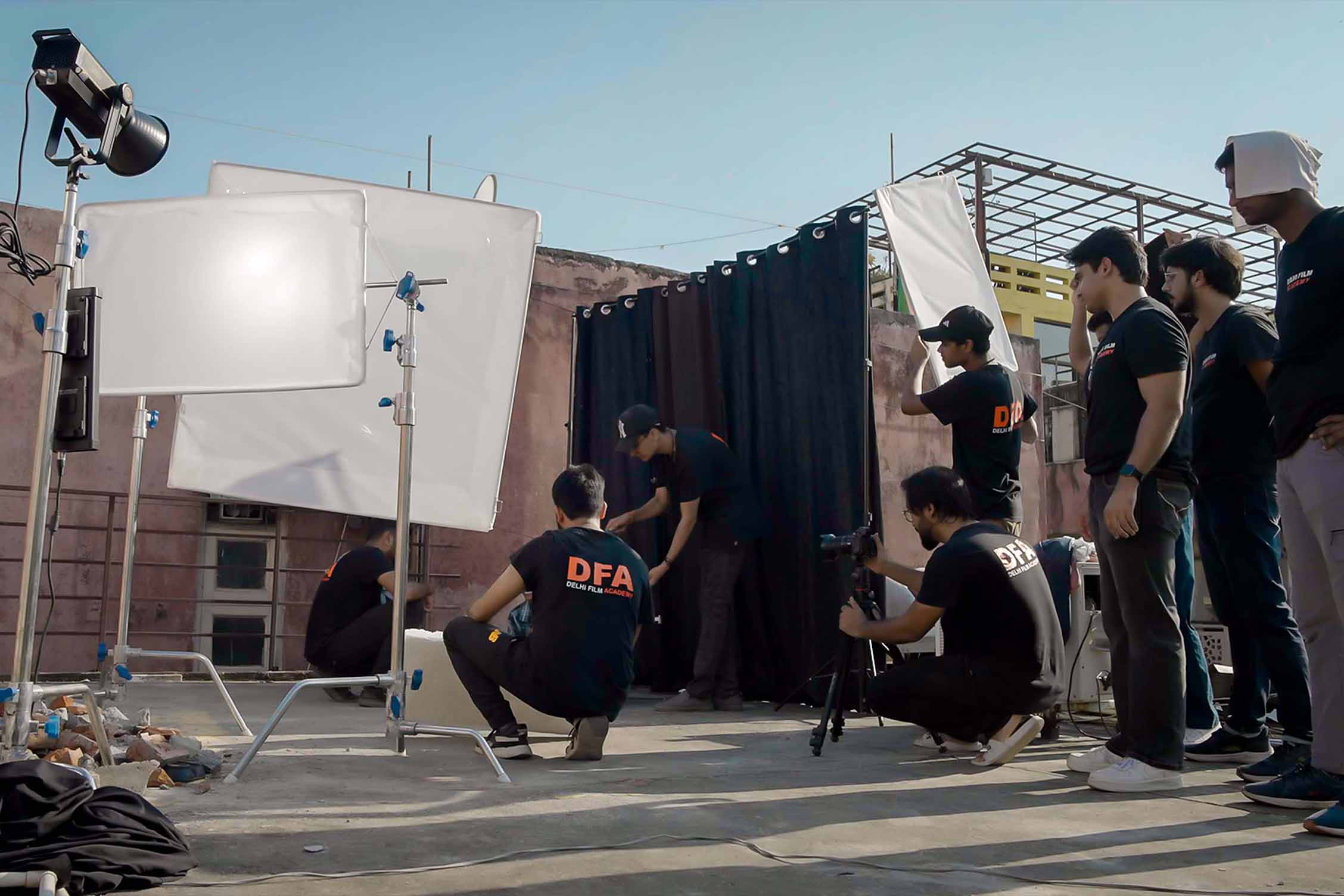
Dive deep into complex lighting setups, including those tailored for VFX, ensuring you're ready for the most demanding projects.
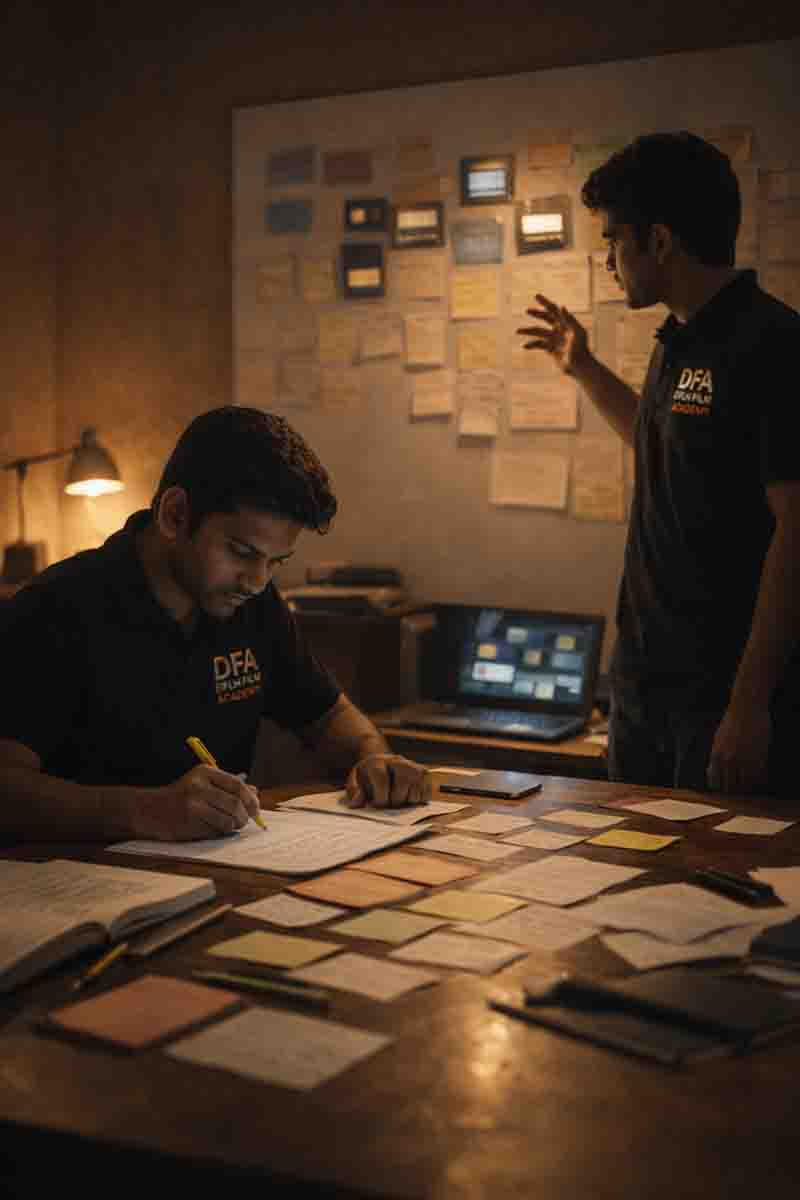
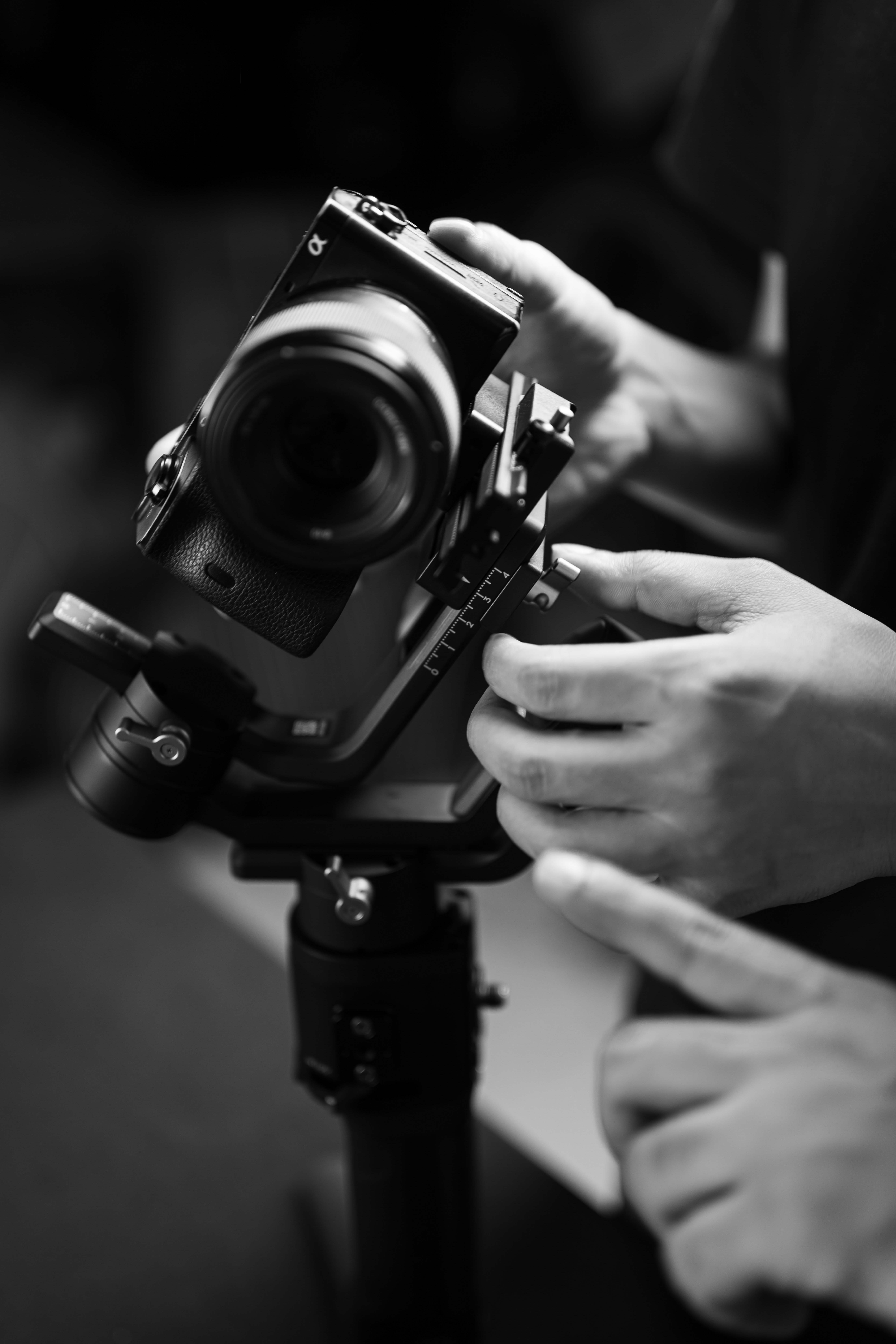
Proficiency: Learn to handle a variety of cameras, from DSLRs to high-end cinema cameras, enabling you to capture the perfect shot.
Lenses and Focal Lengths: Understand the nuances of different lenses and focal lengths, empowering you to make informed creative choices.
Tripods and Stabilization: Achieve steady shots with expert knowledge of tripods, gimbals, and other stabilization equipment.
Lighting Gear: Discover the art of setting up and operating lighting equipment to create the desired mood and atmosphere.
Sound Equipment: Gain expertise in using microphones, recorders, and sound mixers to capture pristine audio for your films.
Grip Equipment: Master the essential grip gear for precise control over camera movements and placements.
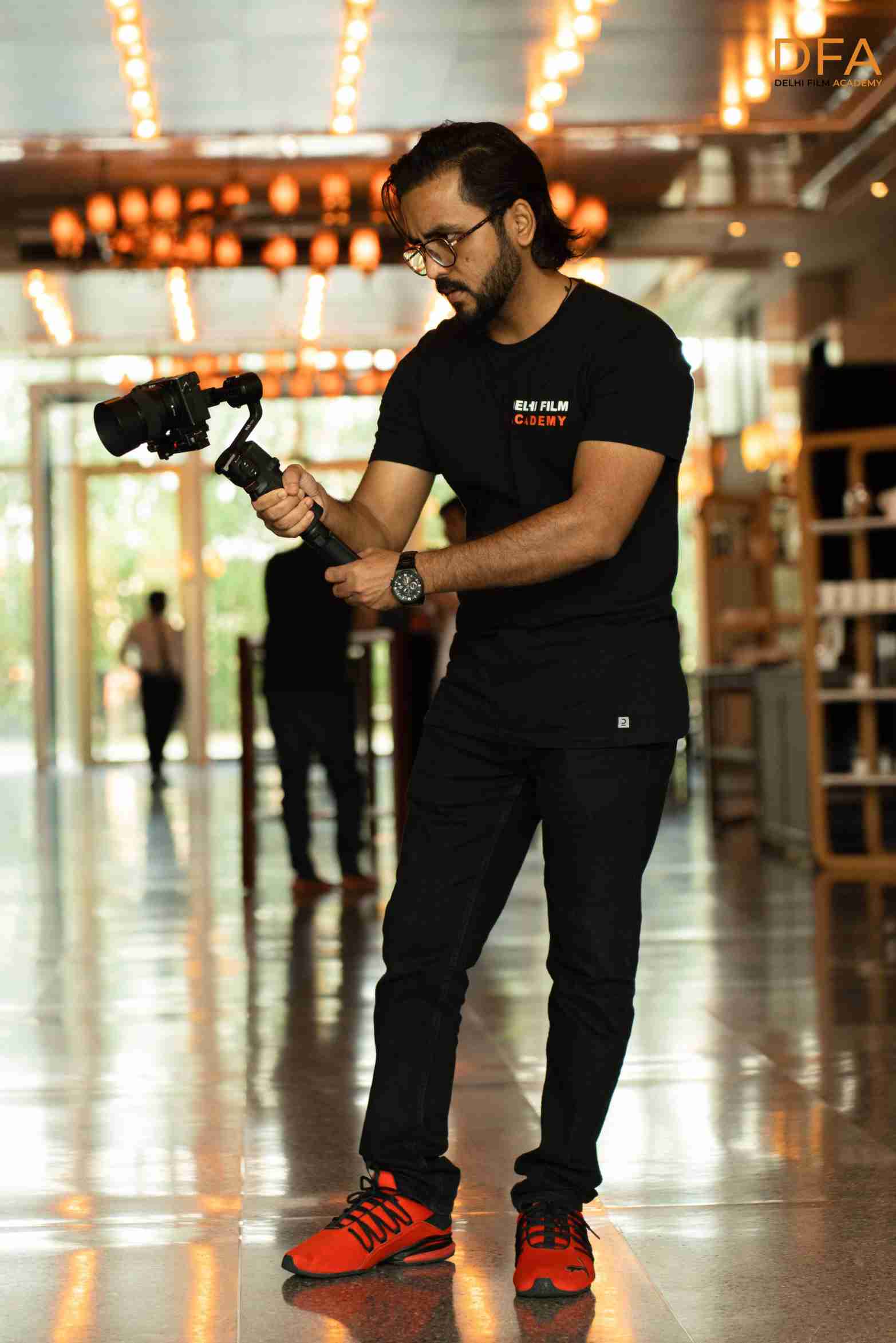
In short, a film crew is essential for bringing a film from concept to reality, ensuring it meets artistic and technical standards while efficiently managing the complexities of filmmaking.
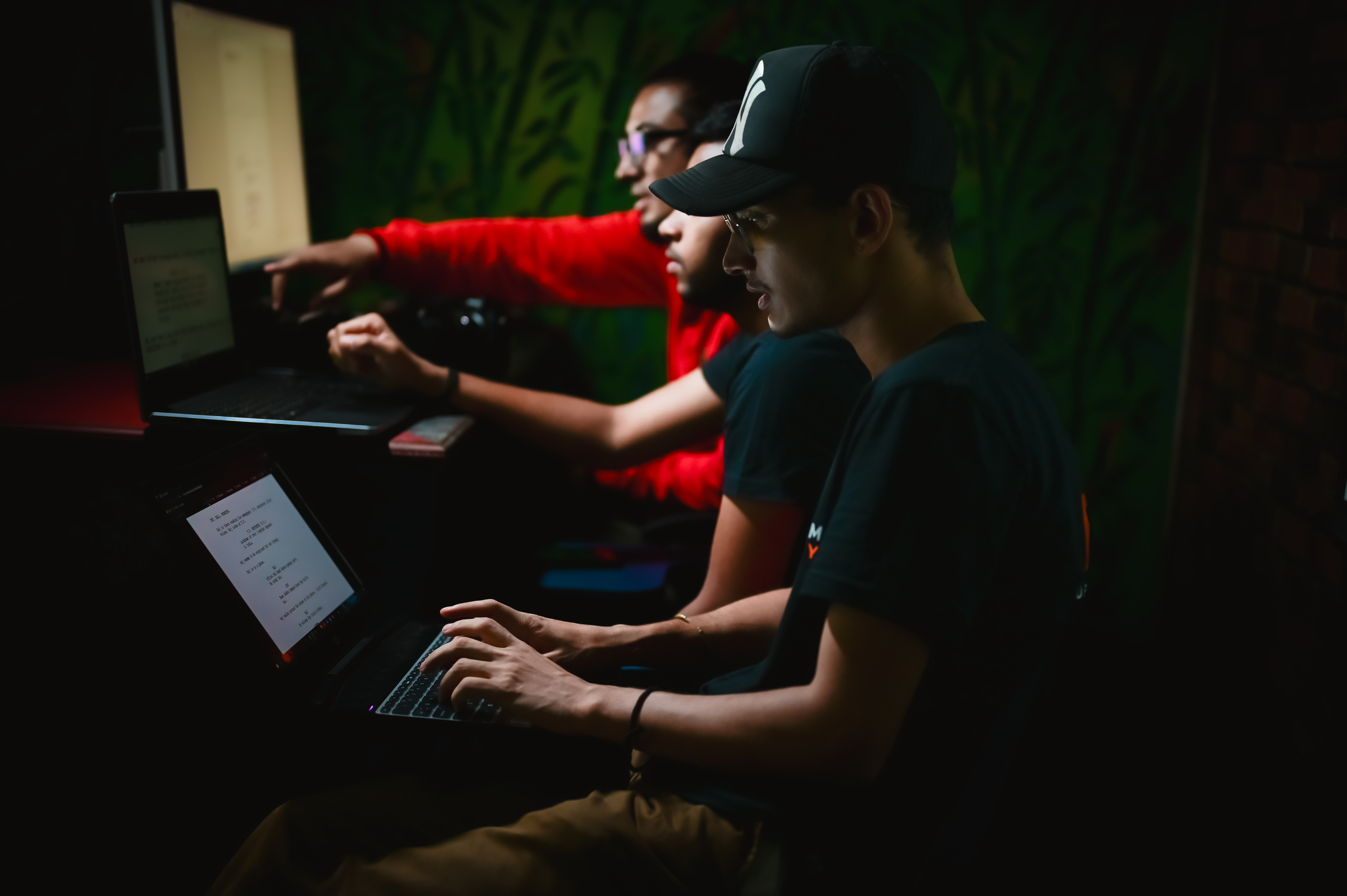
The first stage in starting a film is drafting the script, which includes all the decisions that determine the film's budget, genre, and runtime.
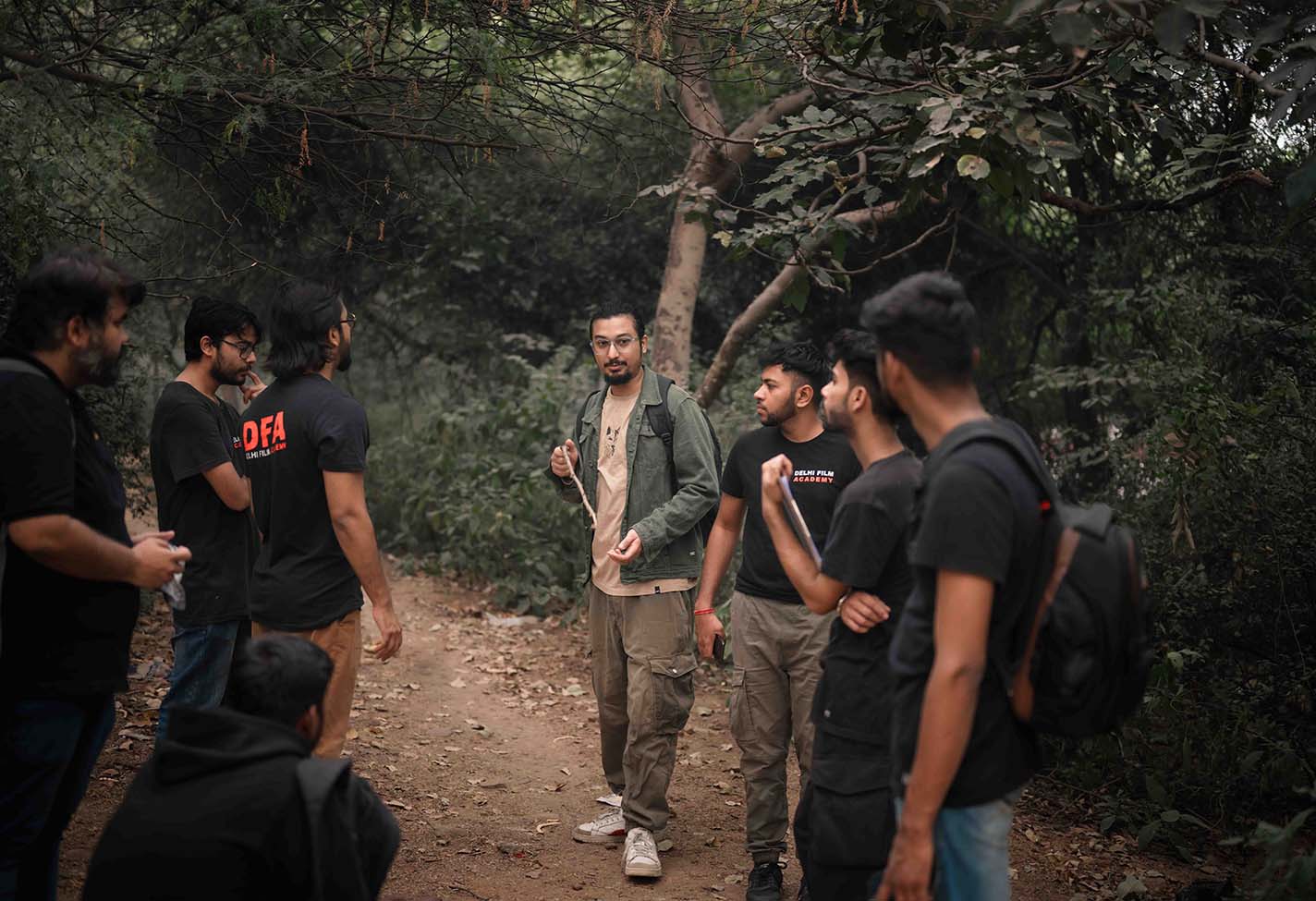
Film recce, short for reconnaissance, is a crucial step in pre-production. It involves scouting locations to assess suitability for scenes, considering logistics, and ensuring the creative vision aligns with practicality.
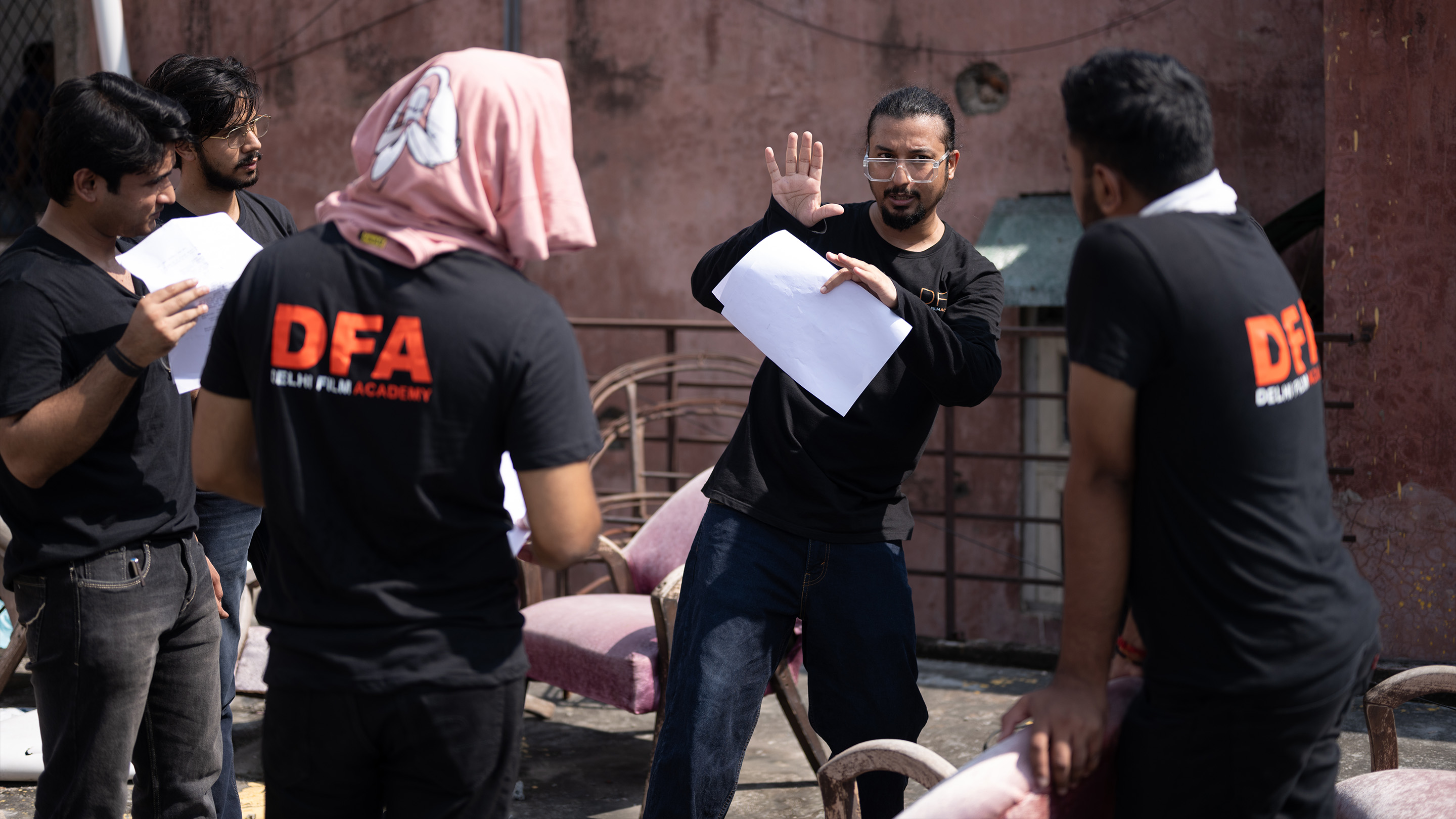
Film direction is the artistic and managerial process of translating a script into a visual and auditory masterpiece. The director guides actors, crew, and elements to bring a cohesive vision to the screen.
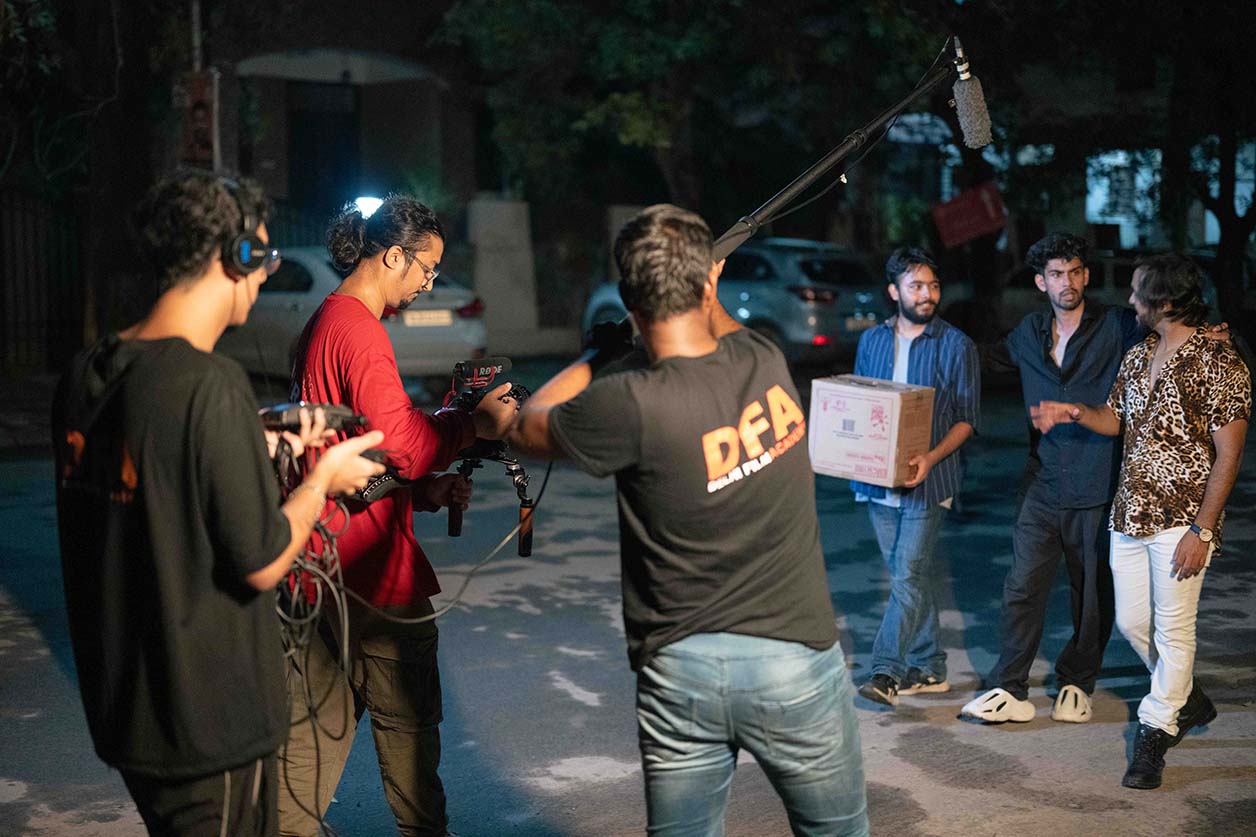
Capture on-set sounds with precision using boom and lavalier mics for authentic, high-quality audio in film production.
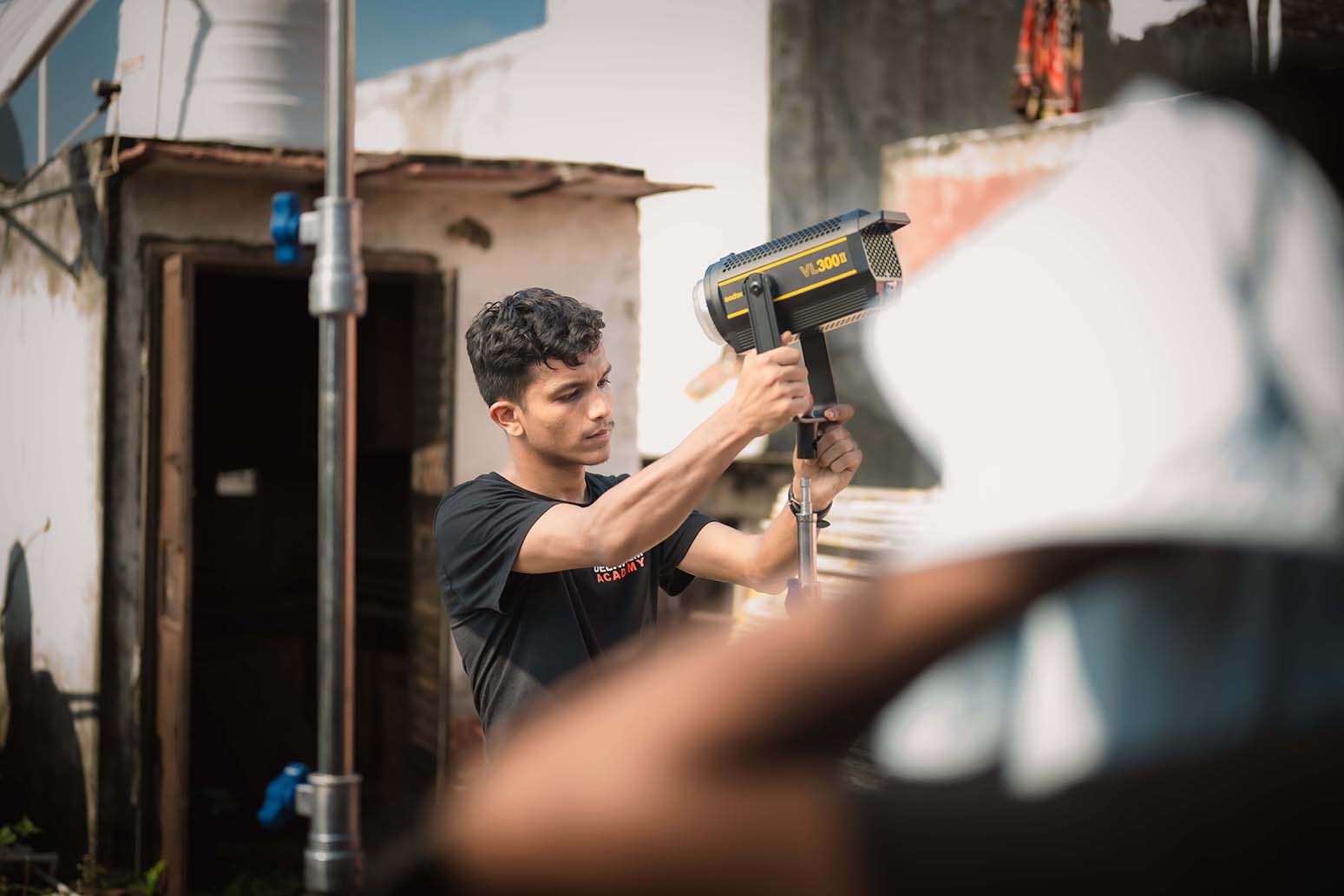
Lighting in films is an artful technique, shaping mood and enhancing visuals. Cinematographers use various lights to create atmosphere, highlight subjects, and convey emotions, ensuring a captivating cinematic experience.
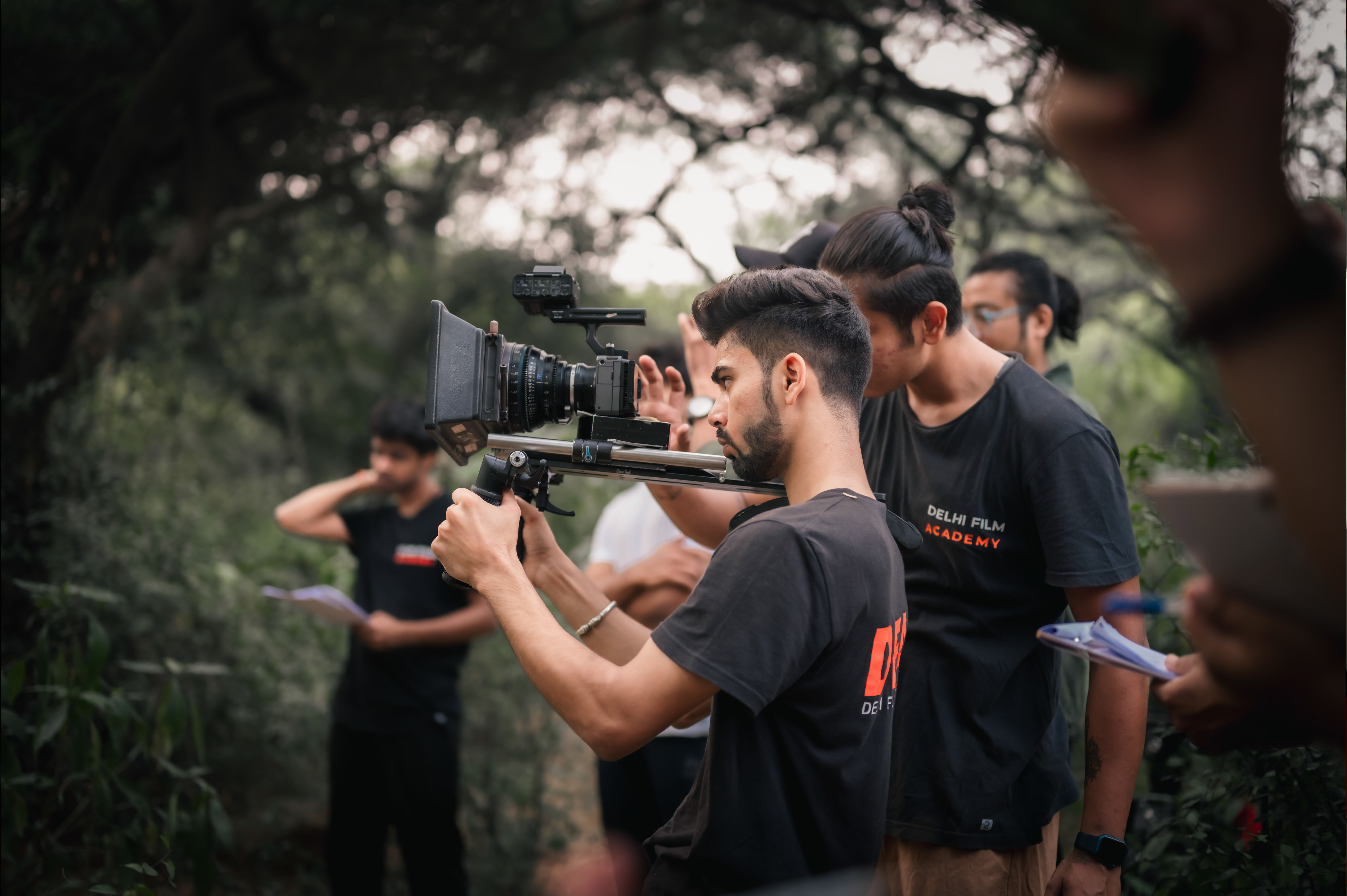
Cinematography is the visual storytelling art in filmmaking. It involves camera work, composition, lighting,and movement to convey emotions and enhance the narrative
AI-assisted editing enhances pacing, storytelling, and cinematic flow—allowing editors to achieve professional results faster without compromising creative control.
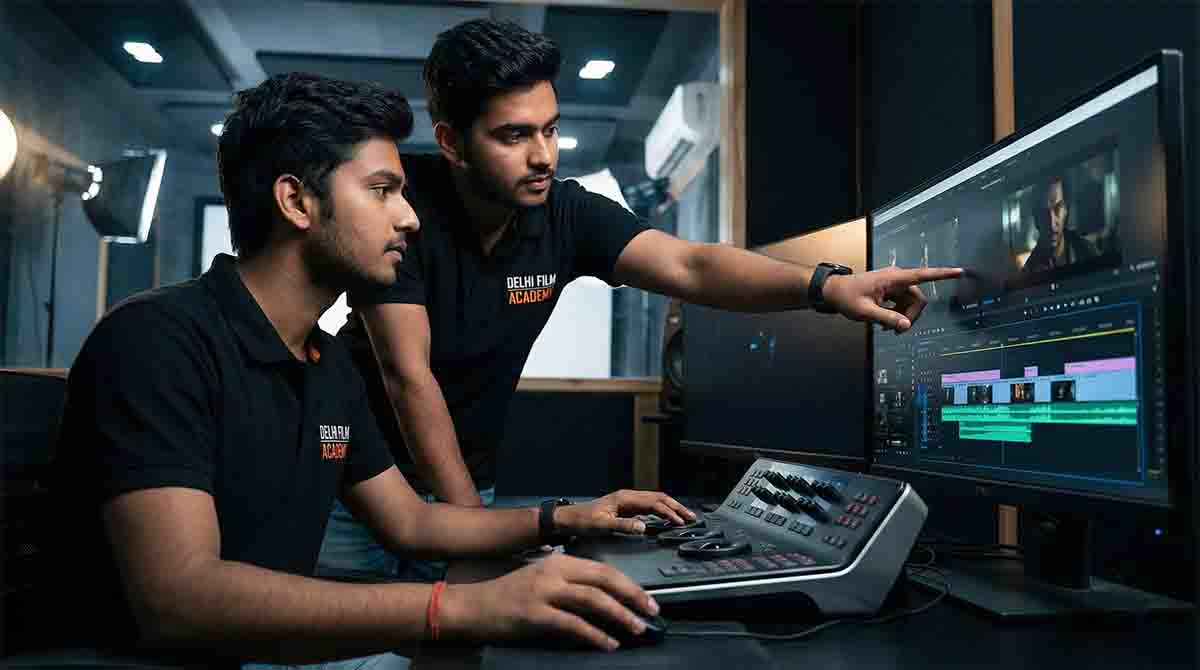
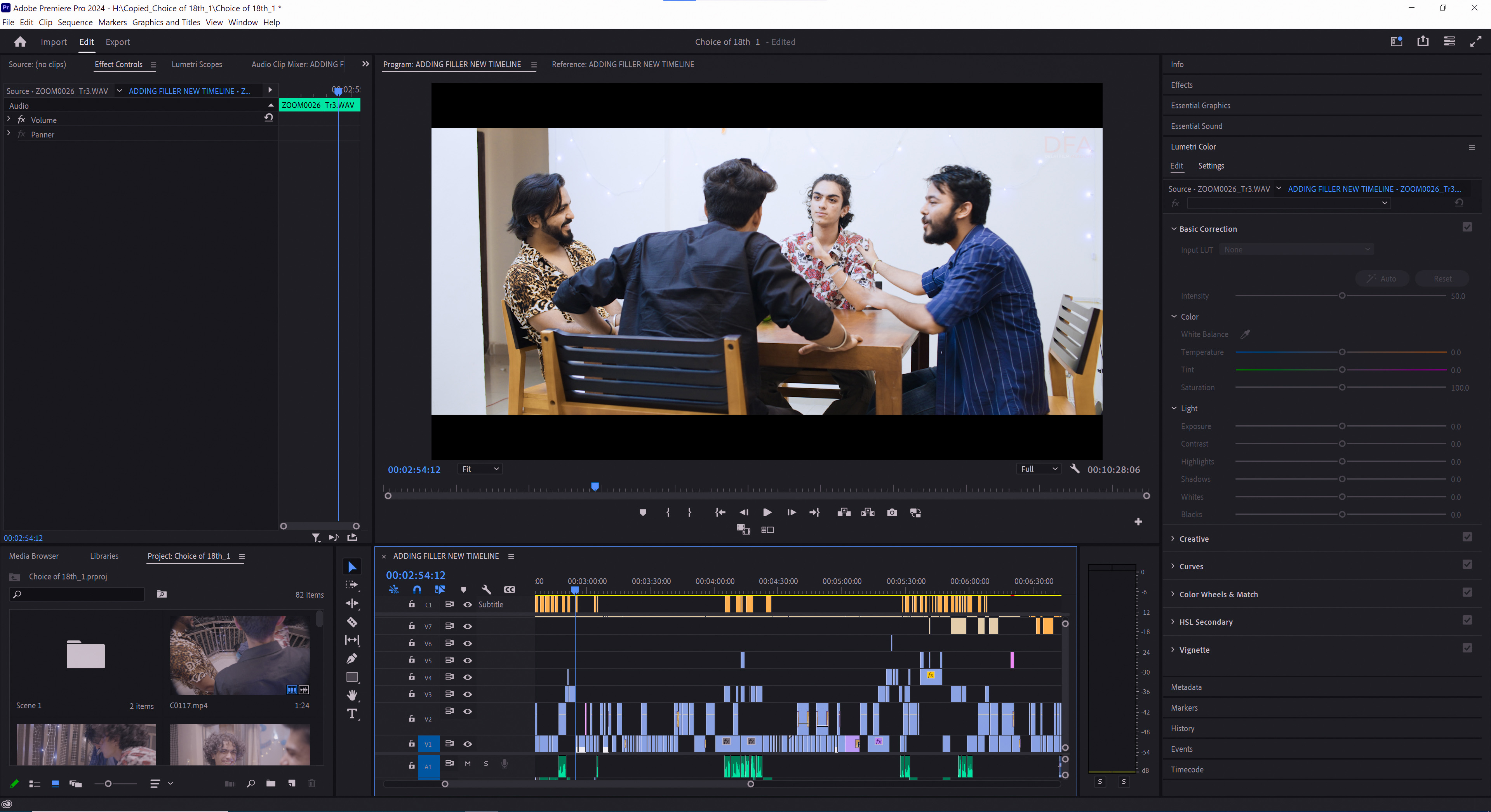
Adobe Premiere Pro is the industry standard for professional video editing. In this program, students learn modern, AI-assisted editing workflows used in films, OTT content, and digital media production.
The course focuses on intelligent editing techniques such as auto cuts, speech enhancement, timeline optimization, reframing, and efficient post-production pipelines while maintaining full creative control.
Through hands-on projects, students apply AI-supported tools to real footage, learning how professional editors work faster, cleaner, and smarter in real-world environments.
Instructors: Learn from working editors with industry experience. and Premiere Pro.
Hands-On Practice: Edit real projects using AI-assisted workflows.
Small Class Sizes: Get focused guidance and practical feedback.
Access to Cutting-Edge Software: Work on updated Premiere Pro editing systems

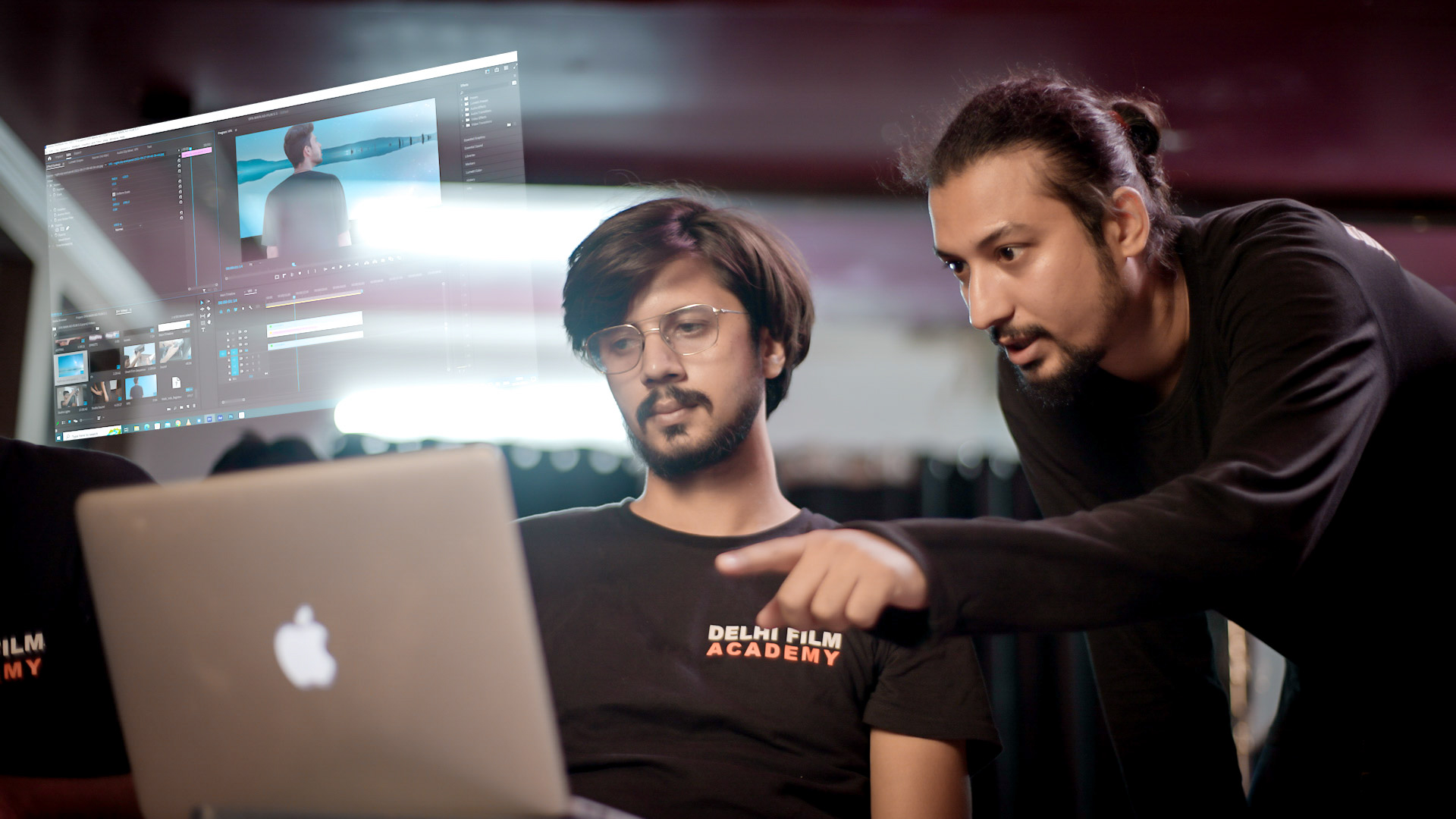
Adobe Premiere Pro is the go-to choice for filmmakers, video editors, and content creators worldwide.
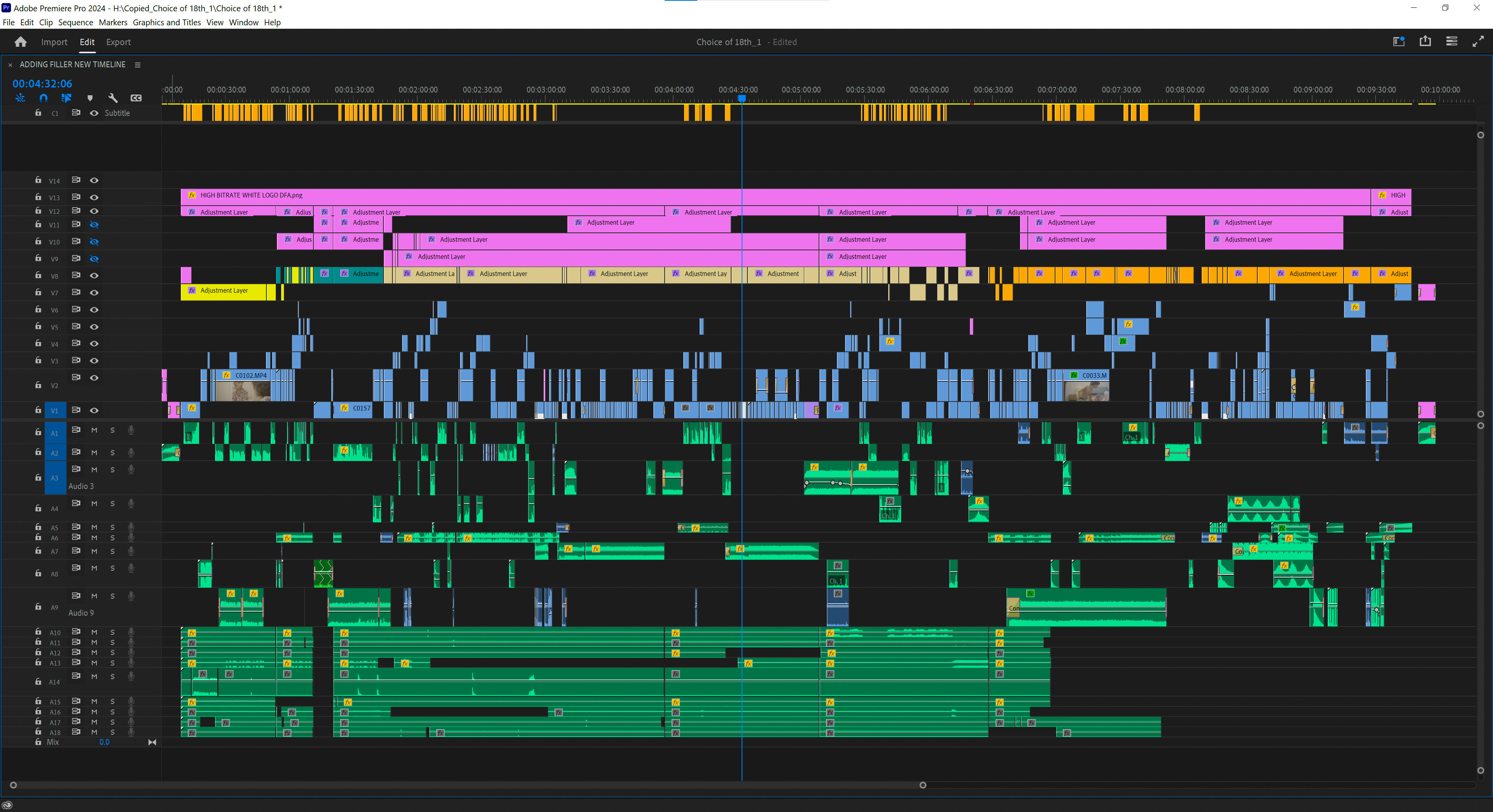
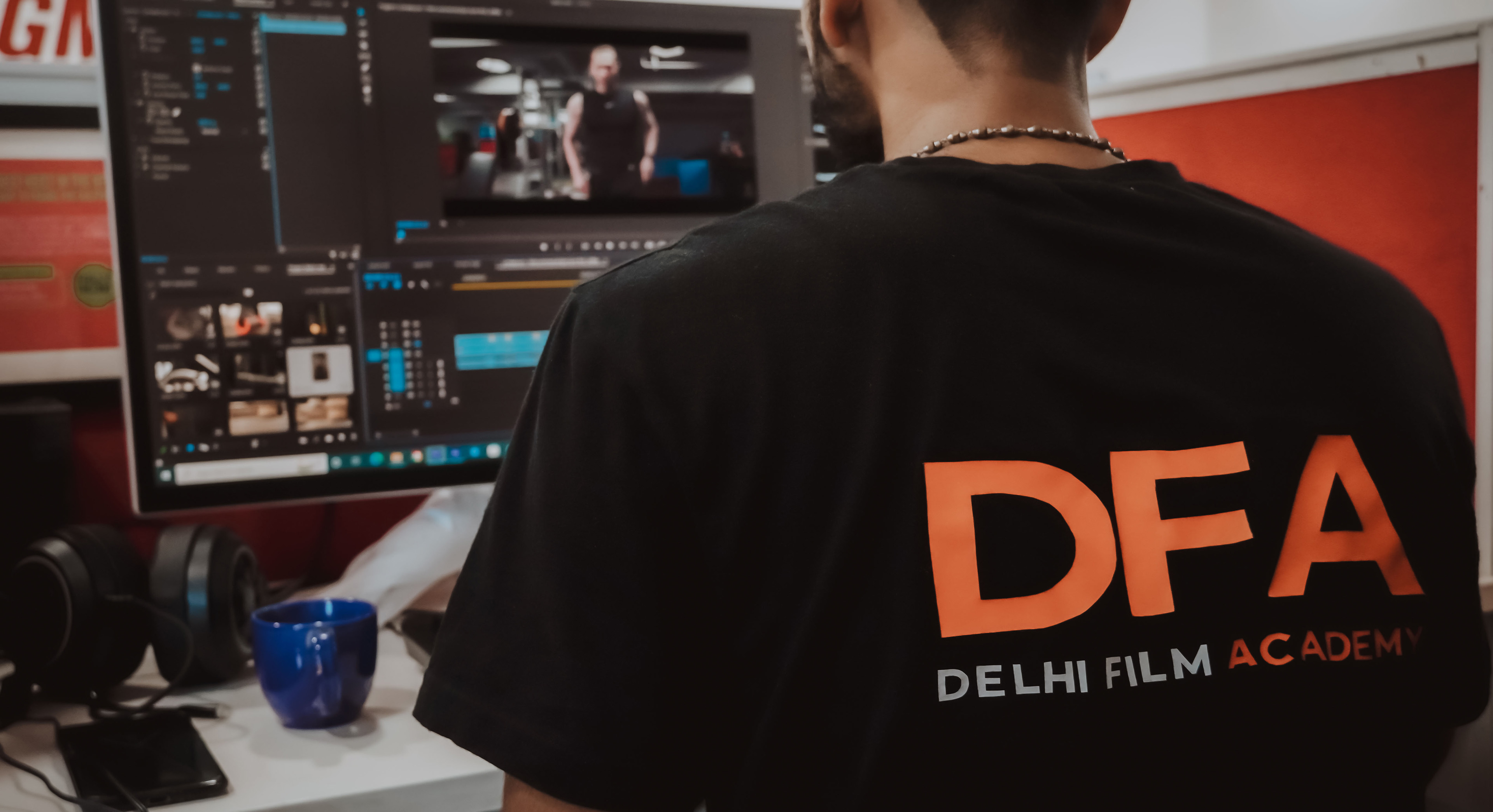
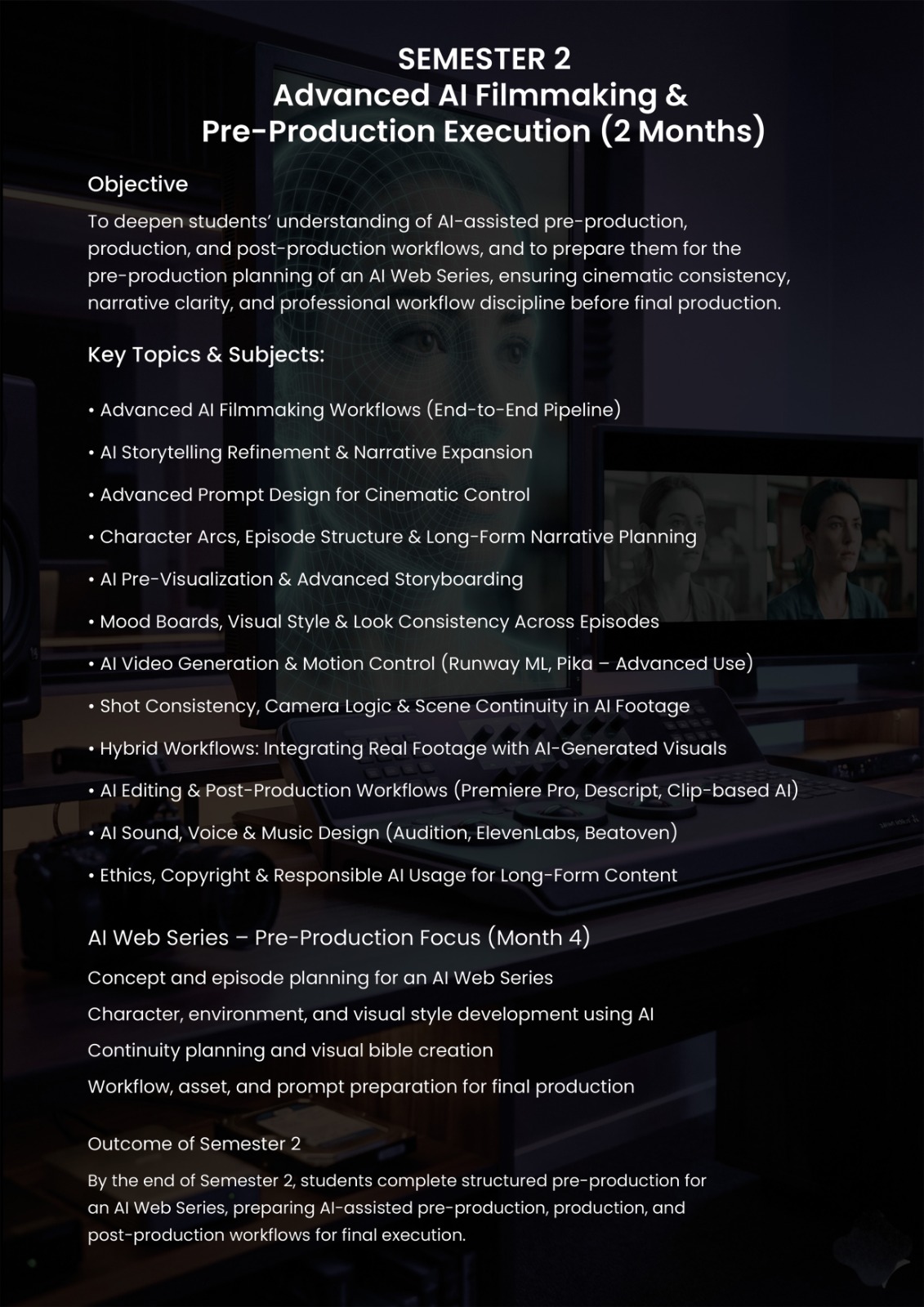
We are among the first film schools to produce an AI-assisted web series with film students. DFA
Students are trained to work on a professionally structured web series using AI-assisted pre-production, production, and post-production workflows. By graduation, students have real OTT-ready work to showcase without struggling after the six-month diploma.
Students explore modern storytelling by combining cinematic craft with AI tools. They learn how AI supports planning, visuals, editing, and problem-solving while maintaining creative and directorial control on larger productions.
The final phase focuses on completing high-quality web-series episodes, polishing professional reels, and preparing students for real-world filmmaking, OTT platforms, and advanced creative roles.
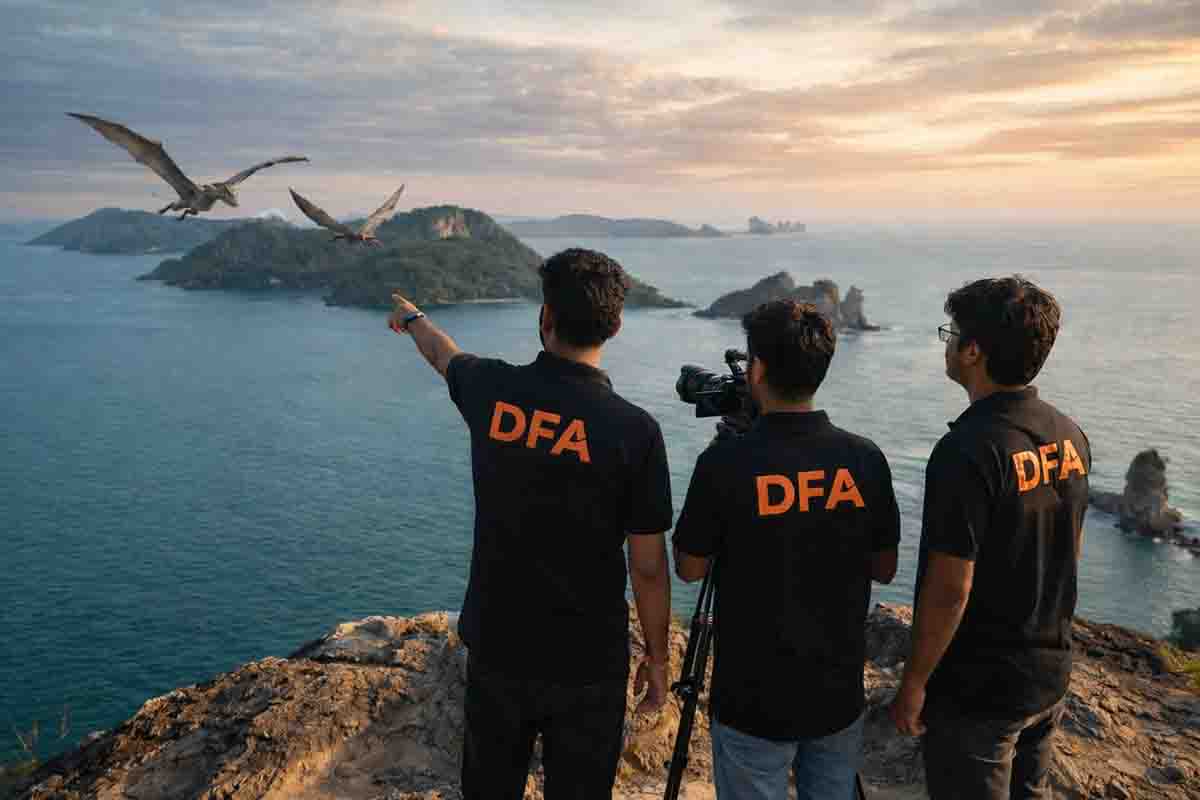
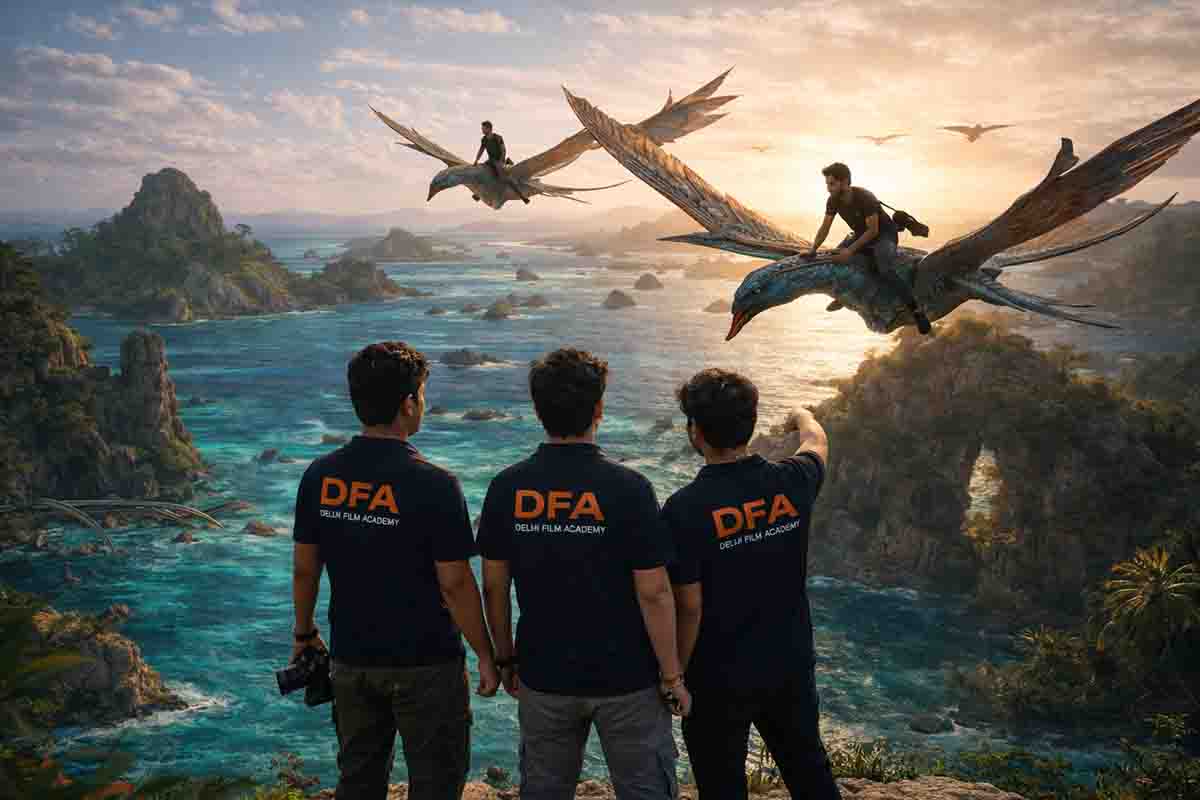
A key differentiator of Delhi Film Academy is its focus on industry-ready production workflows aligned with OTT platforms. Students work on structured, AI-assisted web series projects that reflect real-world production standards and modern content pipelines.
Through this approach, students graduate with practical experience in OTT-format storytelling, production planning, and post-production workflows—ensuring they are prepared for the evolving demands of digital and streaming platforms.
Students complete the program with a DFA-produced OTT-ready web series in their professional portfolio.
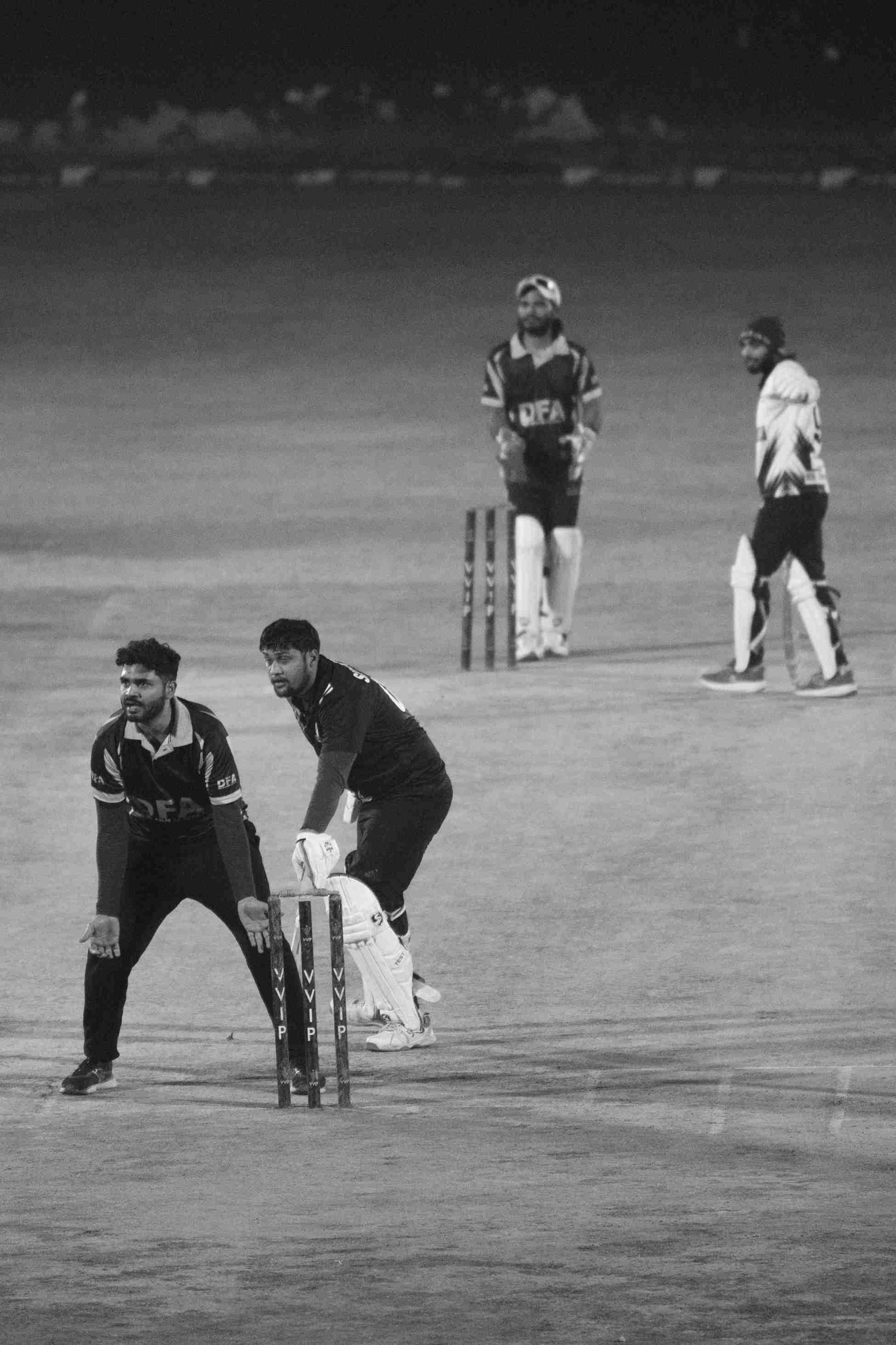
Delhi Film Academy offers a unique opportunity for its students to engage in a cricket tournament, allowing them to participate as players while honing their sports photography and videography skills.
This exciting blend of filmmaking and sports fosters a dynamic learning environment where creativity and athleticism go hand in hand, preparing future filmmakers for diverse and thrilling projects.